Florida’s Gulf Coast is hard on exterior wood. Homeowners in Venice and Sarasota counties deal with intense sun and frequent heavy rain at the same time, a combination that wears down decking faster than almost anywhere else in the country. Finding the best deck stain for Florida weather means understanding that stress, not following generic hardware-store advice.
Pro Painting & Associates has served Venice, FL homeowners for over 15 years, providing licensed and insured deck staining services tailored to Gulf Coast weather patterns. That experience points to a simple conclusion: product selection matters less than proper application and moisture management. Your deck’s longevity depends on matching the coating to both the wood’s condition and the local climate.
Why Florida Weather Demands Specialized Deck Stain
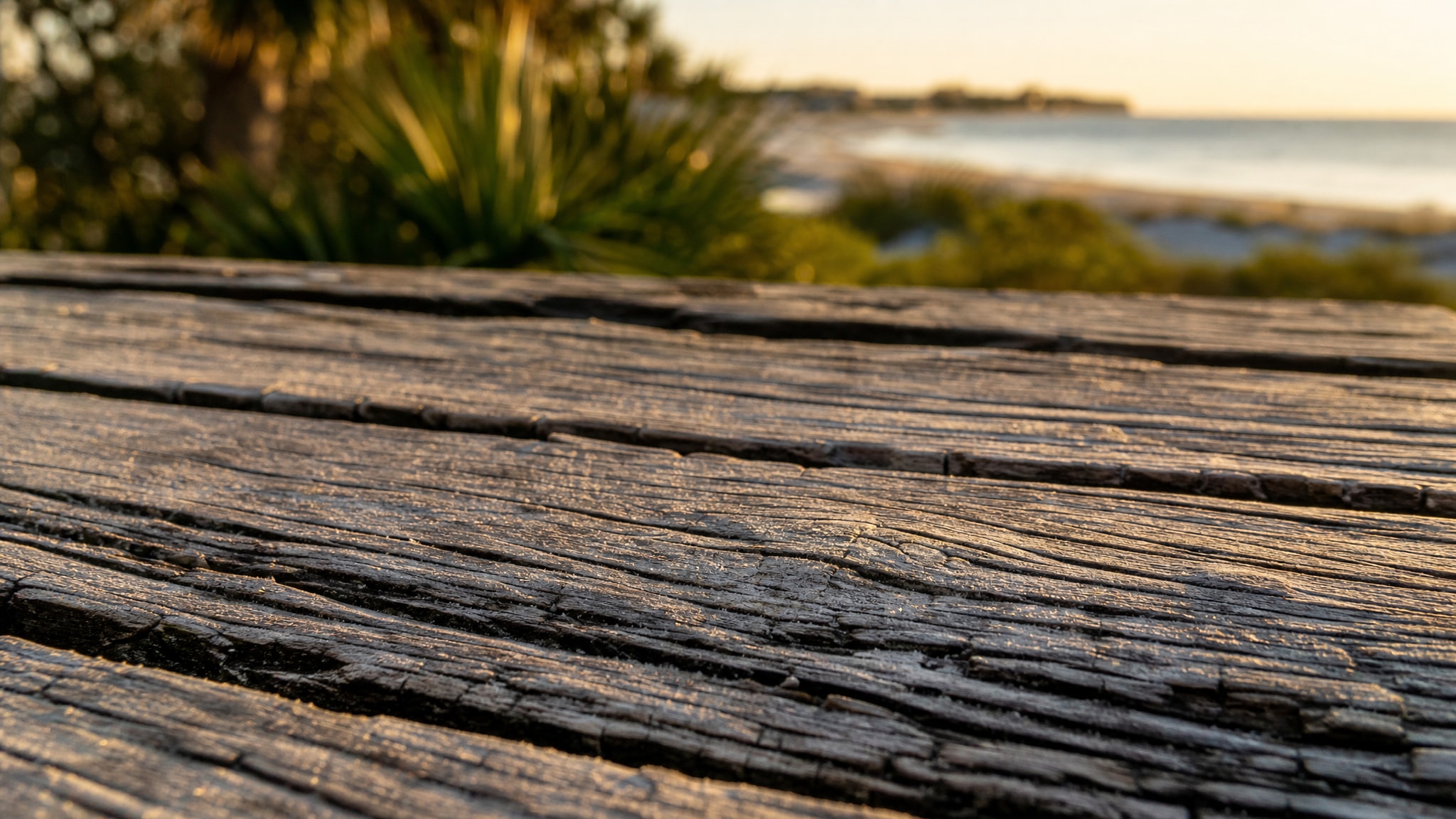
Gulf Coast sun delivers UV radiation strong enough to break down lignin, the natural binder in wood fibers. That causes surface graying and weakening within months. Standard stains made for northern climates don’t carry enough pigment to absorb this energy before it damages the wood underneath. You need a product built for high-sun conditions, where afternoon temperatures regularly top ninety degrees in summer.
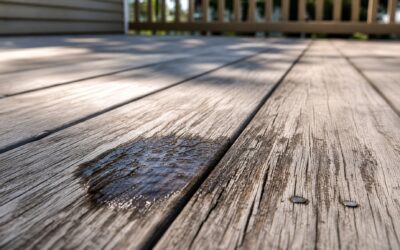
Heavy rain makes it worse. It forces moisture into wood cells already weakened by UV exposure. When water gets into unprotected end grain or checking cracks, it creates conditions for fungal decay that spreads beneath the surface, out of sight. National brands often fall short here, because they’re built for shelf appeal rather than the additives needed to resist mold and photodegradation at once.
Clear sealers offer almost no protection against this combination of heat and humidity, despite their popularity elsewhere. Penetrating stains with pigment are required to block UV rays and prevent graying; clear sealers lack the tint needed to stop natural weathering in sunny climates. The pigment itself acts as a shield, absorbing solar energy that would otherwise break down the wood.
UV Resistant Deck Stain Options: Semi-Transparent vs Solid
Choosing between semi-transparent and solid stain comes down to balancing looks against durability, and that depends on your deck’s current condition. Semi-transparent formulas let the wood grain show through while filtering, rather than fully blocking, solar radiation through suspended pigments. These suit newer pressure-treated pine or cedar that hasn’t yet taken much sun damage.
Solid color stains hold up longer on decks already showing graying or weathering. They form a thicker film that hides the wood grain completely, and their higher pigment load reflects more radiation than it absorbs. Solid color stains are specifically suited for decks with significant graying, weathering, or uneven color from years of Sarasota sun, where a uniform finish is the goal.
The trade-off is real. Semi-transparent stains typically need reapplying every two to three years on the Gulf Coast. Solid colors can last four to six years when applied correctly to a properly prepared surface. Your choice should reflect both the current state of your decking and how often you’re willing to maintain the finish.
Waterproof Deck Stain Performance in High Humidity
Venice and Sarasota average above seventy percent humidity, and film-forming sealers often trap moisture against the wood under those conditions. Trapped moisture eventually causes peeling, blistering, and adhesion failure, and that means stripping the whole surface before you can refinish it. Penetrating oil-based and advanced waterborne formulas avoid the problem by soaking into the wood fibers instead of sitting on top as a plastic-like layer.
These penetrating systems let the wood breathe during wet seasons, releasing moisture back into the air without losing the protective treatment. Modern waterborne penetrating stains have closed the performance gap with oil-based products, while offering easier cleanup and lower VOC emissions under current Florida regulations. Both outperform acrylic sealers in humid coastal conditions, where condensation forms nightly on horizontal surfaces.
Mold and mildew resistance matters just as much here. Look for products with zinc oxide or copper-based biocides that actively inhibit fungal growth rather than just resisting it through surface tension. Without these additives, even premium stains can develop black spotting within a single wet season, and no amount of cleaning removes it for good.
Critical Moisture Levels Before Application
Staining damp wood guarantees early failure, no matter how good the product or the technique. Wood moisture content needs to sit between 12 and 15 percent before staining. Readings above 19 percent mean the wood is too wet for the stain to bond properly. Freshly installed pressure-treated lumber may need several weeks of dry weather to reach that range, especially in summer, when afternoon storms soak decking daily.
Professional contractors use pin-type moisture meters to check readiness at multiple spots on the deck, rather than guessing from how it looks or how recently it rained. Surface dryness means nothing if the core is still saturated from weeks of prior rain. Coat it anyway and that moisture has nowhere to go. It forces its way out through blisters, or the stain delaminates entirely within months.
Timing the project around the season matters as much as the moisture reading itself. Spring and fall typically offer the most reliable drying windows in Southwest Florida, while summer jobs require careful scheduling around storms. Waiting for the right conditions beats the cost of redoing the work later.
Professional Application Techniques for Longevity
Surface preparation drives most of a coating’s performance in Florida’s climate, yet most DIY attempts rush or skip it. Proper cleaning removes mill glaze from new pressure-treated wood, oxidized fibers from weathered surfaces, and residual biocides that block stain penetration. Power washing alone isn’t enough. Brightening agents and mechanical sanding open the wood pores so the stain can soak in evenly.
Hiring exterior painters near Venice, FL means the prep work meets manufacturer standards, which is what keeps warranty coverage valid. Licensed professionals know the local drying windows and substrate conditions, which can differ a lot from areas just twenty miles inland. If you’re not sure whether your deck needs staining or a different approach altogether, wood deck vs composite deck refinishing walks through how to tell before you spend money on materials.
Timing the application around temperature and direct sun stops flash drying, which leaves lap marks and uneven absorption. Working mornings on east-facing decks and afternoons on west-facing ones keeps the wood within the product’s specified temperature range. Clients who choose a licensed painting contractor vs handyman are often paying for exactly this kind of technical discipline, which is what separates results that last from ones that fail by next season.
This isn’t a job for a quick weekend refresh. Skipping prep or ignoring moisture readings produces results that fail faster than doing nothing, and that wastes both money and material.
Deck Stain Recommendations Based on Wood Condition
New pressure-treated pine needs different treatment than weathered cedar or a hardwood that’s already been coated. Fresh lumber holds preservatives and excess moisture that repel many stains until it weathers naturally for three to six months. Stain it too soon and you get poor penetration and a spotty look that only aggressive chemical stripping can fix.
Weathered gray wood needs restoration cleaning and brightening before any stain can bond. The degraded surface layer has to come off entirely to expose sound fibers that can absorb pigment. Skip that step and you’re putting expensive coating on dead wood that keeps deteriorating underneath, which just hides the structural damage while it gets worse.
Previously stained decks bring their own complications, depending on what’s already on them. Oil-based products generally accept new oil or waterborne treatments after proper cleaning, while acrylic films often need full removal before restaining. For context on coating durability across other exterior surfaces, best exterior paint for Florida humidity covers how to protect adjacent trim and siding too.
Tinted pigment is the real defense against UV damage, whatever condition the wood is in. Clear or lightly tinted sealers won’t stop graying in high-sun areas, regardless of what the marketing says about water repellency or mold resistance. Knowing that upfront saves the disappointment of watching premium-priced wood weather anyway.
Maintaining Your Finish Between Professional Services
Regular inspection catches minor wear before it turns into major restoration work. Walk the deck every few months and look for spots where foot traffic, furniture, or standing water have worn through the protective layer. Catching these early with light cleaning and touch-up stretches the life of the finish well past what you’d get waiting for widespread failure.
Clean gently twice a year to remove pollen, organic debris, and surface grime that speeds up coating breakdown. Skip harsh pressure washing between professional services. Too much force opens the wood grain and strips away the protection you’re trying to keep. A soft brush with diluted deck cleaner gets the job done without risking damage that lets moisture back in.
Keep a record of what’s been done and when. Knowing the date of the last professional application and which product went down prevents chemistry conflicts in future treatments, and that disciplined approach to upkeep is what keeps costs predictable instead of surprising you later.