Choosing between a licensed painting contractor and a handyman often comes down to price. The real difference is accountability. Homeowners in Venice, Sarasota, and Manatee counties face environmental challenges that demand more than general maintenance skills, and while a handyman can handle minor touch-ups fine, larger projects need protections only credentialed professionals carry. Understanding the distinction prevents costly remediation and protects your home’s value.
Defining the Roles: Licensed Painter vs. General Handyman
The distinction between these two roles determines who bears responsibility when something goes wrong. A licensed painting contractor operates under state or local certification specifically for surface preparation and coating application. A handyman typically works under general maintenance exemptions with real scope limitations.
Scope of Work and Specialization
Handymen excel at small repairs, fixture replacements, and minor cosmetic fixes that don’t alter the structure or require specialized trade knowledge. Their business model runs on versatility across many trades rather than depth in one. Painting contractors focus on coatings, substrates, and the chemistry needed to make finishes last in harsh climates, so they carry equipment, training, and material access that generalists don’t maintain. Every crew member understands paint behavior instead of treating it as one more item on a to-do list.
Florida Licensing Requirements for Painters
Florida law separates casual maintenance from professional contracting based on project value and technical complexity. Specialized painting often requires proof of financial stability, a passed technical exam, and ongoing education that general handyman licenses don’t mandate. These requirements exist to protect consumers from operators who lack the capital to fix their own mistakes. Hire someone without this credentialing, and you’re accepting that they haven’t demonstrated minimum competency to state regulators. Pro Painting & Associates has maintained continuous licensing and insurance coverage serving Venice, FL homeowners for over 15 years, meeting these standards consistently since it opened.
Insurance Protections: Why Coverage Matters for Homeowners
Insurance is the financial firewall between professional service providers and uninsured laborers. Without adequate coverage, your homeowner’s policy becomes the primary payer for accidents, injuries, and property damage on your premises.
General Liability and Property Damage
Insured painting contractors carry policies that specifically cover paint overspray, chemical damage, and ladder-related property injuries, things general handyman policies frequently exclude. Overspray alone can ruin vehicles, landscaping, and neighboring properties in ways standard general liability doesn’t address. Handymen often carry minimal coverage built for drywall patches, not full exterior repaints involving scaffolding and spray equipment. If an uninsured worker damages your stucco or breaks a window, you file a claim against your own policy and absorb the deductible. An insured painting contractor instead provides a certificate naming you as additionally insured, moving that risk off your books entirely.
Workers’ Compensation and Injury Risk
Painting involves ladders, scaffolding, power tools, and chemical exposure, real injury potential on the job every day. According to general liability risk assessments for homeowners, uninsured worker injuries on residential properties can result in medical bills exceeding six figures, falling directly on the homeowner through premises liability claims. Workers’ compensation insurance shields you from that exposure by covering medical costs and lost wages for injured employees regardless of fault. Handymen operating as sole proprietors often skip this coverage to cut overhead, which leaves you as the de facto insurer.
Verifying workers’ comp isn’t optional paperwork. It’s the single most important document protecting your net worth during a project.
Quality Standards and Surface Preparation Expertise
Surface preparation accounts for most of a paint job’s longevity, yet it stays invisible once the topcoat dries. Licensed contractors understand the science behind adhesion. Handymen often rely on a visual check alone.
Technical Knowledge of Coatings and Substrates
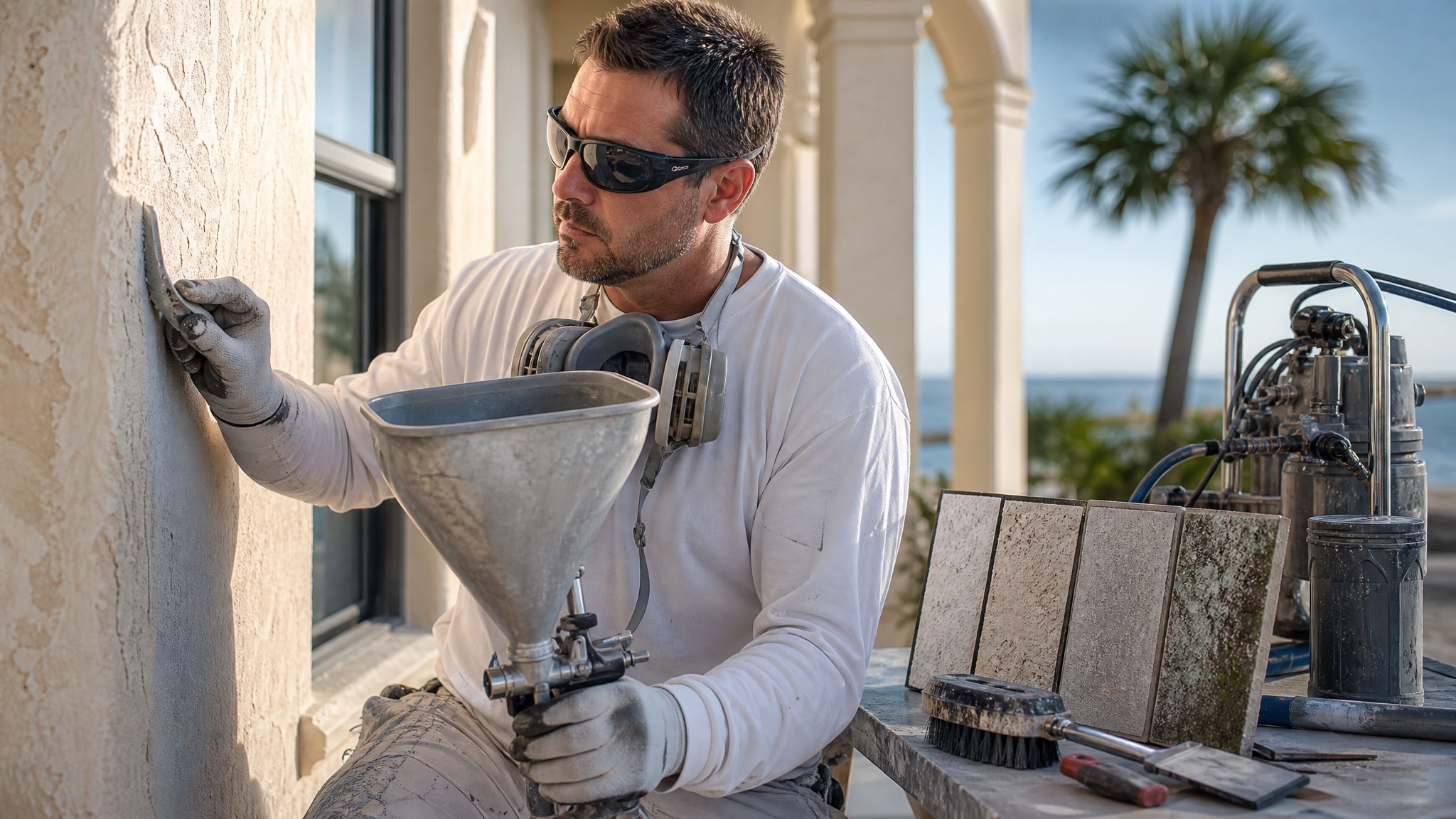
Florida’s humid climate calls for moisture testing and alkaline-resistant primers, and general handymen rarely have the training to apply either correctly. Stucco and block walls common in Venice and Sarasota need pH testing before any coating touches the surface. Apply paint over high-alkalinity masonry and you get saponification, where the finish turns soapy and peels within months. Licensed professionals use moisture meters and alkalinity test kits as standard procedure, not optional extras, so your investment survives Florida’s rain cycles instead of failing early from skipped diagnostic steps.
Warranty Validity and Manufacturer Specifications
Premium paint manufacturers typically require certified applicator documentation to honor 10-year or lifetime warranties on exterior coatings. These warranties specify exact mil thickness, primer types, and preparation methods that must be followed precisely. A handyman applying paint by eye can’t meet those measurable standards, which voids your warranty before the first coat dries. When selecting durable paints for Florida humidity, you need assurance the application method matches the manufacturer’s tested system. Only a licensed contractor can produce the documentation proving compliance if a failure shows up years later.
Handyman Painting Risks: Hidden Costs and Liabilities
This approach doesn’t suit full exterior repaints, multi-story work, or any project where manufacturer warranties matter. The initial savings from unlicensed labor often disappear when premature failures force a complete rework within eighteen months.
Improper caulking traps moisture inside wall cavities, causing rot that goes well beyond cosmetic issues. Insufficient coverage rates leave surfaces open to UV degradation and water intrusion that speeds up substrate decay. Mildew treatment needs specific biocides and dwell times that general maintenance workers rarely get right. These shortcuts compound over time, turning a budget-friendly quote into an expensive remediation project. You end up paying twice, because the underlying cause was never addressed the first time.
Verifying Credentials: Is My Painter Licensed and Insured?
Verification takes minutes but prevents years of regret and financial exposure. Legitimate contractors welcome the scrutiny because their credentials are current and easy to check.
Checking Florida License Status
You can confirm active licensing instantly through the Florida Department of Business and Professional Regulation database, using the contractor’s name or license number. Check for disciplinary history, complaint resolutions, and renewal status rather than taking a printed card at face value. Licenses lapse, get suspended, or expire without notice to previous customers. A valid license number should appear on all contracts, vehicles, and marketing materials, consistently, not just on the invoice. If a contractor hesitates to provide that number, or claims exemption for residential work over the statutory limit, treat it as a red flag that needs an answer.
Requesting Certificates of Insurance
Ask for a current Certificate of Insurance sent directly from the carrier’s agent to your email. Copies handed over by the contractor may be outdated, altered, or already cancelled. Verify that general liability limits match your home’s replacement cost and that workers’ compensation covers everyone on site. Confirm the policy includes completed operations coverage, which protects you if damage shows up months after the crew leaves. Our local pricing guide for exterior painting breaks down these insurance costs, and it’s part of why legitimate quotes differ from uninsured estimates.
When to Hire a Professional Painting Contractor in Venice, FL
Certain projects exceed the safe operational scope of general maintenance providers, regardless of a handyman’s willingness to attempt them. Knowing where that line sits protects both your property and your legal liability as a homeowner.
Exterior Projects and High-Value Surfaces
Multi-story exteriors, stucco remediation, and historic restoration need scaffolding, fall protection systems, and substrate expertise that handymen don’t maintain. Working at height brings in OSHA regulations and safety protocols that general maintenance exemptions don’t cover. Our team offers licensed exterior painting expertise in Venice, with equipment and training matched to coastal Florida conditions. Attempt these projects without the right infrastructure, and you risk falls, property damage, and regulatory violations that can invalidate your insurance coverage.
Cabinet Refinishing and Specialty Finishes
Cabinet spraying needs dust-controlled environments, calibrated HVLP equipment, and coating chemistry knowledge that a brush-and-roll handyman can’t replicate. Factory-like finishes require temperature and humidity control during curing, conditions a garage workshop rarely provides. Our specialized cabinet refinishing services show what’s achievable with a dedicated facility and professional-grade tools. Handymen attempting this work typically leave visible brush marks, uneven sheen, and adhesion failures that mean stripping the whole job and starting over.
Making the Right Choice for Your Home’s Long-Term Value
Handymen serve a real purpose for minor repairs and cosmetic touch-ups that don’t require specialized trade knowledge. Protecting home equity and durability, though, takes the accountability of a licensed, insured specialist who stands behind the work with credentials you can verify. Proper credentialing is what separates a temporary fix from craftsmanship that holds up through Florida’s climate year after year. Verify the license, request the certificates, and choose a contractor whose qualifications match what you’re investing in your property.