A Gulf Coast paint job can look freshly finished one season and noticeably faded the next if the coating system is not built for Florida conditions. Homeowners often ask how long exterior paint lasts because repainting is not just a cosmetic decision here. It is part of protecting siding, stucco, trim, fascia, doors, and other exterior materials from intense sun, wind-driven rain, humidity, salt air, and mildew.
For most homes in Venice, Sarasota, Bradenton, and surrounding Southwest Florida communities, a professionally prepared and painted exterior can last about 5 to 10 years. The actual timeline depends on the surface, the paint quality, the amount of sun and moisture exposure, and how well the home was prepared before the first coat went on.
How Long Exterior Paint Lasts by Surface
Not every part of a home ages at the same pace. A shaded stucco wall may still look good after many years, while fascia boards facing the afternoon sun may need attention much sooner. Looking at each material separately helps set realistic expectations.
Stucco: about 7 to 10 years
Properly painted stucco usually has one of the longer service lives in Florida, especially when hairline cracks are repaired and the surface is cleaned before painting. Stucco is porous, so the coating needs to provide consistent coverage while still working with the surface. A high-quality exterior acrylic paint can hold color and resist moisture better than lower-grade products.
However, stucco that develops cracks, mildew, or water staining should not be ignored just because most of the wall still looks acceptable. Small failures can allow moisture to work behind the coating and create a larger repair later.
Wood siding, trim, and fascia: about 3 to 7 years
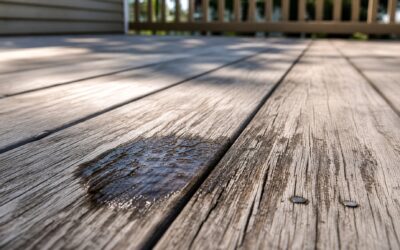
Wood is more vulnerable to Florida weather than stucco. It expands and contracts with heat and humidity, and unprotected edges can absorb moisture. Trim and fascia are especially exposed because they often sit near rooflines, gutters, and shaded areas where moisture lingers.
A wood surface can reach the longer end of that range when old failing paint is removed, damaged boards are repaired, gaps are caulked correctly, and primer is used where needed. Skipping those steps may leave a new topcoat looking good briefly, but peeling can return much faster.
Fiber cement and engineered siding: about 7 to 10 years
Fiber cement and similar siding products are durable, but they still need a sound paint film to protect joints, cut edges, and trim details. These materials generally hold paint well when installed and maintained correctly. Fading on heavily sun-exposed walls may be the first reason to repaint, even before the paint begins to peel.
Metal doors, railings, and accents: about 3 to 6 years
Metal needs special attention near the coast. Salt air, rain, and condensation can lead to corrosion when paint chips or scratches expose bare metal. The answer is not simply adding another coat. Rust must be addressed, the surface must be cleaned and prepared, and the right primer and protective coating must be used.
Why Exterior Paint Fails Faster in Southwest Florida
Florida homes experience paint stress nearly year-round. Strong ultraviolet exposure gradually breaks down binders in paint, leaving colors faded and the surface chalky. Dark colors can absorb more heat, which may increase stress on certain surfaces.
Humidity creates another challenge. Moisture can become trapped beneath a coating when surfaces are painted before they are dry, when leaks are present, or when preparation is incomplete. That can lead to bubbling, blistering, peeling, or mildew growth. Seasonal storms add wind-driven rain, while coastal properties may also contend with salt exposure.
The side of the house matters, too. South- and west-facing elevations often fade faster because they receive more direct sun. Areas beneath trees, near irrigation, or behind shrubs may develop mildew sooner because they remain damp and receive less airflow.
This is why a repainting schedule should be based on your home’s condition, not just a calendar. Two neighboring homes built in the same year can need repainting at different times.
Signs It Is Time to Repaint Your Exterior
You do not have to wait for large sections of paint to peel before scheduling an inspection. Early action can preserve more of the underlying material and keep the project simpler.
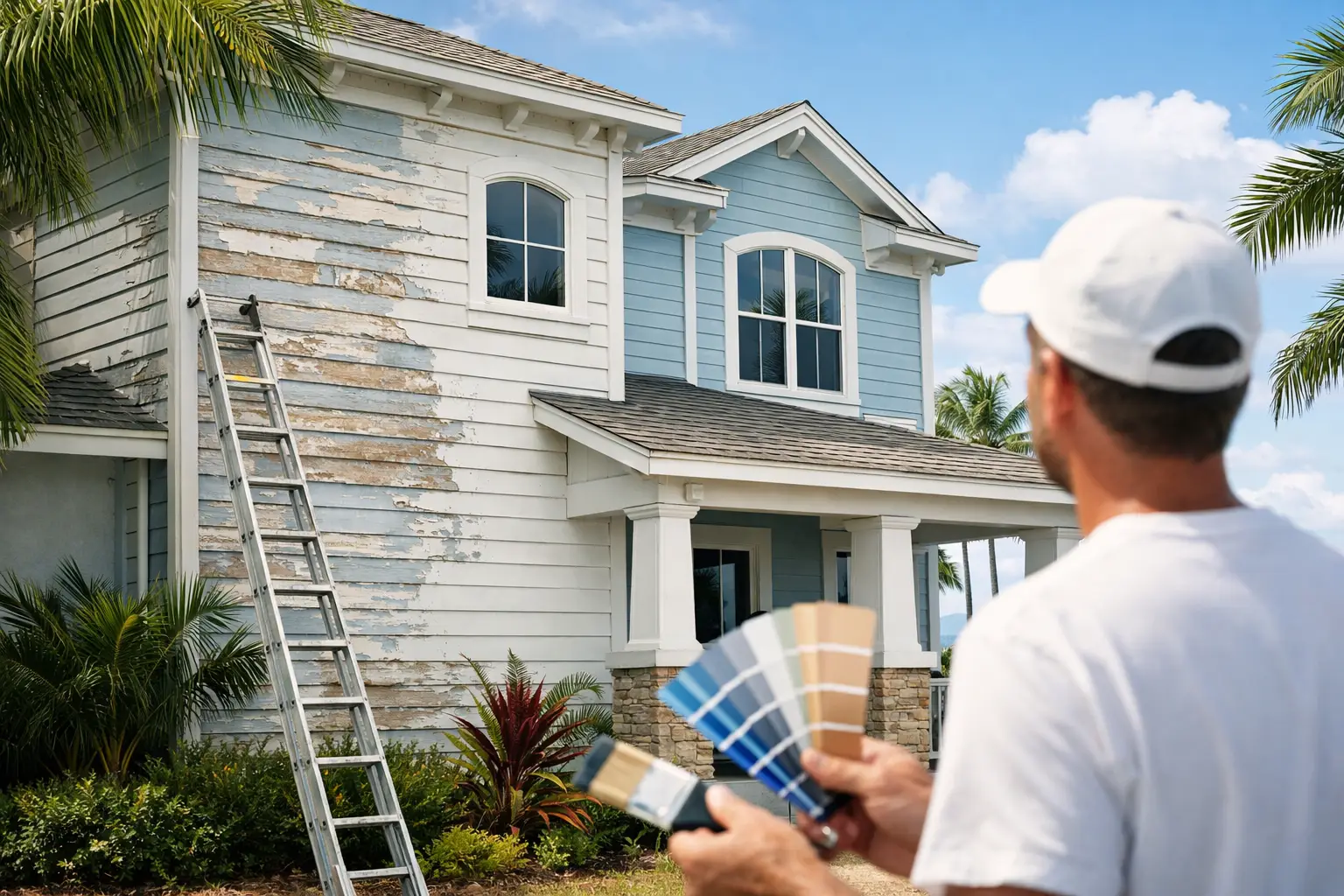
Watch for fading that makes one side of the home look noticeably different from another, a chalky residue that comes off on your hand, cracked or split caulk, peeling around windows and doors, rust spots on metal, and recurring mildew that returns shortly after cleaning. Cracks in stucco, exposed wood grain, soft or deteriorating fascia, and paint that bubbles after rain also deserve prompt attention.
A pressure wash can improve the appearance of a dirty exterior, but it cannot restore a coating that has lost its protective qualities. In fact, washing may make underlying failures easier to see. That is useful information when deciding whether maintenance or a full repaint is the right next step.
Preparation Has a Major Effect on Paint Life
Premium paint matters, but it cannot compensate for poor surface preparation. The longest-lasting exterior paint jobs begin with a close review of the home’s condition and a plan for the materials involved.
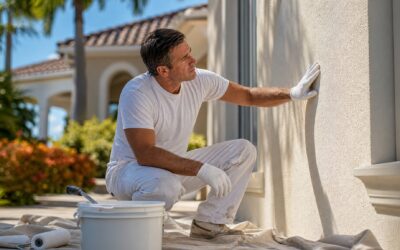
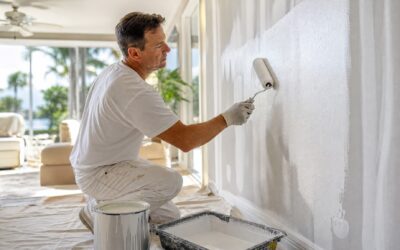
For a typical Florida exterior, preparation may include pressure washing to remove dirt, chalking, mildew, and loose debris; scraping and sanding peeling areas; repairing drywall or exterior damage where applicable; patching stucco cracks; replacing damaged wood; caulking joints; priming bare or repaired surfaces; and protecting landscaping, windows, and hardscape before painting begins.
Timing also matters. Exterior surfaces should be dry, and painting should be scheduled around rain, humidity, and temperature conditions recommended for the coating. Rushing to paint a damp surface can compromise adhesion. A professional team plans around the forecast and adjusts the work sequence when needed rather than treating weather as an afterthought.
Can You Make Exterior Paint Last Longer?
Yes. While Florida weather cannot be controlled, regular maintenance can extend the useful life of your paint and help prevent more expensive repairs. Keep gutters flowing away from the house, trim vegetation back from exterior walls, and address roof leaks or window leaks quickly. These simple steps reduce prolonged moisture exposure.
Gentle periodic cleaning also helps. Mildew, pollen, salt residue, and dirt can hold moisture against painted surfaces and make the home appear worn before the paint has actually failed. Avoid aggressive pressure washing that can damage wood, force water behind siding, or strip weakened paint. The method should match the surface and its condition.
When repainting, color selection can play a role. Lighter colors often show less fading and absorb less heat than very dark colors, although a high-quality paint system can still perform well in deeper shades when used appropriately. The best choice balances your preferred look, the surface type, HOA requirements if applicable, and the exposure each side of the home receives.
Why a Professional Assessment Is Worth It
The right time to repaint is not always obvious from the street. A professional assessment can distinguish between surface dirt, minor touch-up needs, coating failure, moisture problems, and material damage that should be repaired before paint is applied.
At Pro Painting & Associates, our approach is built around detailed preparation, premium coatings, and the realities of Gulf Coast properties. With more than 15 years of local experience and 2,700-plus completed projects, we help homeowners choose a practical solution instead of pushing a one-size-fits-all repainting schedule.
If your exterior is fading, chalking, showing mildew, or beginning to peel, a free, no-obligation estimate can give you a clear picture of what your home needs. Addressing small warning signs now can help keep your property protected, attractive, and ready for the next Florida season.