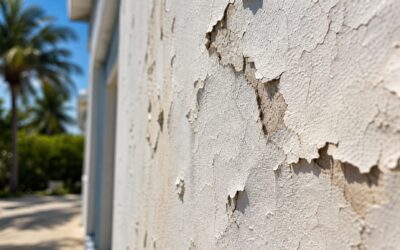
A fresh wall color cannot hide a nail pop, water stain, uneven patch, or crack at the corner of a doorway. In fact, new paint often makes those flaws more noticeable, especially in rooms with strong Florida sunlight. Drywall repair before painting is what separates a quick cosmetic update from a clean, finished result that holds up to daily life.
For homeowners in Venice, Sarasota, Bradenton, and surrounding Gulf Coast communities, preparation also means looking beyond the visible damage. Indoor humidity, roof leaks, plumbing issues, and seasonal vacancies can all affect drywall. Repairing the surface correctly begins with finding out why it was damaged in the first place.
Why Drywall Repairs Matter Before a Paint Job
Paint is a finish coat, not a repair material. It can improve the appearance of a wall, but it will not fill deep dents, stabilize loose joint tape, or stop a recurring crack. When paint is applied over an incomplete repair, the result may look acceptable at first, then reveal ridges, flashing, peeling, or uneven texture as the paint dries and light hits the wall.
Proper drywall work creates an even surface so the primer and paint can adhere consistently. This is particularly noticeable with satin, semi-gloss, and darker paint colors. These finishes reflect more light than flat paint, making every bump and sanding mark easier to see.
Good preparation can also protect the value of a home. Whether you are refreshing a seasonal property, preparing a house for sale, or updating a room after a repair, smooth walls make the entire space feel cleaner and better maintained.
Start by Identifying the Type of Damage
Not every wall imperfection needs the same repair. Small nail holes and picture-hanging marks can usually be filled and sanded quickly. Larger issues require a more careful approach to prevent the repair from failing after the painting is complete.
Hairline cracks are common near doors, windows, and ceiling transitions. Some are simple surface cracks caused by normal settling, while others may point to movement, moisture, or a failed drywall joint. A professional should widen and reinforce a crack when needed rather than simply spreading compound over the top.
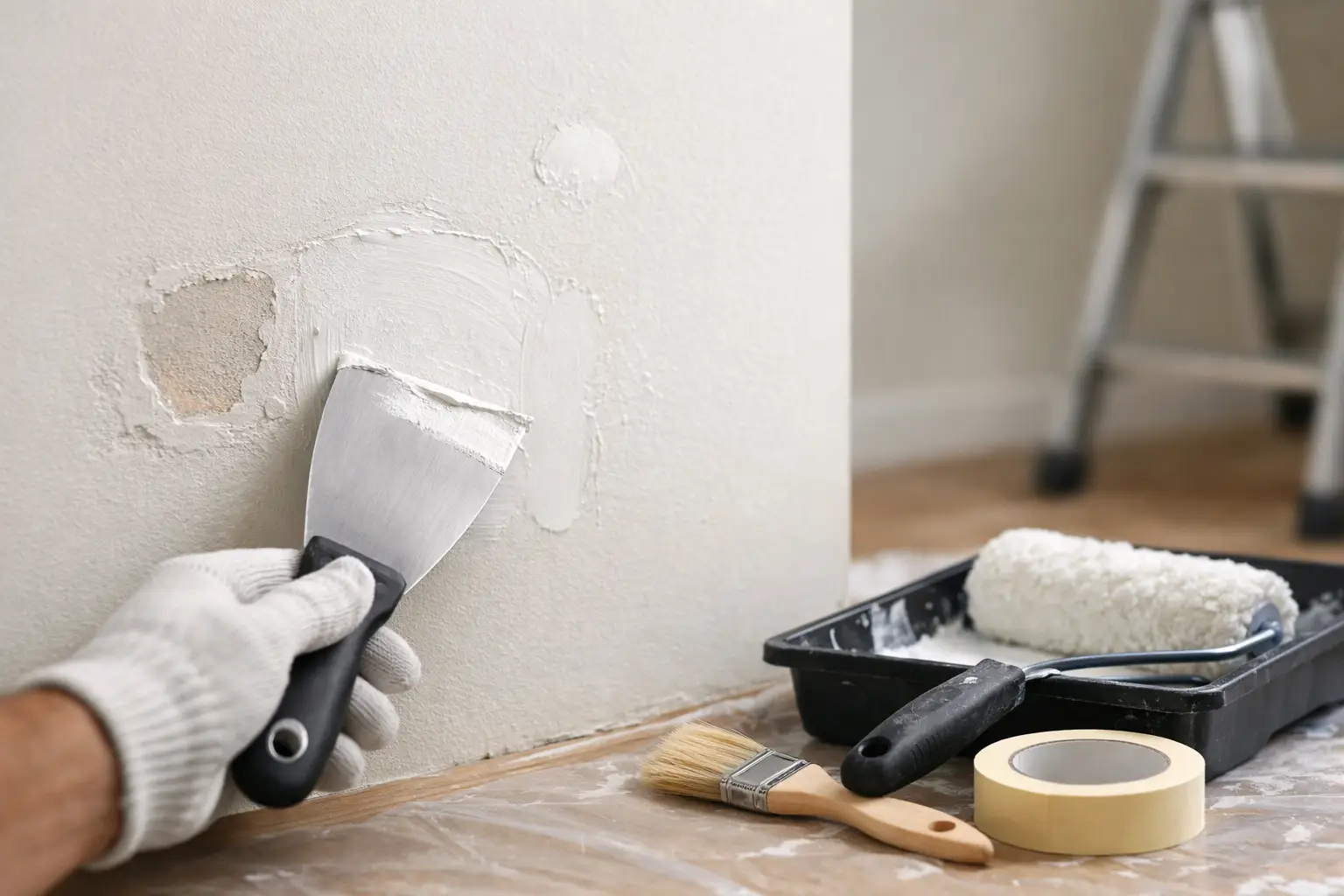
Dents, scuffs, and shallow holes can often be repaired with lightweight spackle or joint compound. Holes larger than a few inches typically need a drywall patch, backing support, joint tape, and multiple thin coats of compound. Each coat needs sufficient drying time before sanding and recoating.
Water damage deserves special attention. A brown stain, soft drywall, bubbling paint, or sagging ceiling can indicate an active or past leak. The source of the moisture must be corrected before repair begins. Painting over a water stain without sealing it may allow it to bleed through the new finish. If drywall is soft, moldy, or structurally compromised, replacement is usually the better long-term choice.
The Right Process for Drywall Repair Before Painting
A quality repair is built in stages. Rushing any one of them can show through the finished paint.
Protect the Room and Prepare the Surface
Furniture, floors, and nearby finishes should be covered before sanding or patching begins. Loose paint, crumbling compound, damaged tape, and drywall dust must be removed so the repair materials can bond to a clean, stable surface.
For larger holes, the damaged area may need to be cut back to solid drywall with clean edges. A properly fitted patch is more durable and easier to feather than a patch forced into an irregular opening.
Patch, Tape, and Build the Repair in Thin Coats
Professional drywall repairs use the right material for the job. Joint tape reinforces seams and cracks, while joint compound is applied in thin, controlled layers. The repair is feathered beyond the damaged area so it gradually blends into the surrounding wall instead of leaving a visible raised spot.
Thin coats take more time, but they reduce shrinkage and cracking. Depending on the size of the repair and the humidity in the home, several coats may be necessary. In Southwest Florida, drying time can vary. Running air conditioning or improving ventilation may help, but compound should never be painted before it has dried fully.
Sand for a Flat, Even Transition
Sanding is where the wall begins to look whole again. The goal is not simply to make the patch smooth to the touch. It is to create a level transition that disappears under primer and paint.
A careful painter checks the repair from several angles, often using side lighting to reveal ridges or low spots. Sanding dust should be removed with vacuuming and wiping before primer is applied. Dust left on the wall can interfere with paint adhesion and leave a rough finish.
Prime the Repaired Areas
Primer is an essential step after drywall repairs. Fresh joint compound is more porous than painted drywall, so it absorbs paint differently. Without primer, patched areas can appear duller or shinier than the surrounding wall, a problem often called flashing.
For water stains, a stain-blocking primer may be needed after the moisture issue is resolved. For extensive repairs or a major color change, priming the entire wall can provide the most uniform appearance. The right approach depends on the repair size, existing sheen, paint color, and condition of the old coating.
Common Shortcuts That Lead to Visible Repairs
Many paint problems begin with an understandable attempt to save time. Applying one heavy layer of compound, for example, may seem faster than several thin coats. It often shrinks as it dries, leaving a depression that becomes obvious after painting.
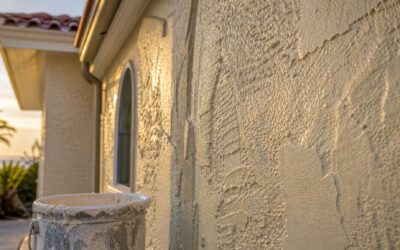
Skipping primer is another common mistake. Even when a patch looks good before painting, differences in texture and porosity can show through the final coat. Matching the wall texture matters as well. A smooth patch on an orange-peel or knockdown wall will stand out unless the texture is recreated before priming and painting.
Painting over active moisture damage is the most expensive shortcut. The paint may cover the stain temporarily, but ongoing moisture can lead to peeling, mildew, damaged drywall, and another round of repairs. In coastal Florida homes, it is worth taking the extra time to address the cause.
When a DIY Repair Makes Sense and When to Call a Pro
A homeowner can often handle a few small nail holes or minor scuffs with basic tools and patience. For these simple repairs, careful filling, light sanding, spot priming, and touch-up paint may be enough.
Larger holes, recurring cracks, ceiling damage, loose tape, textured walls, and water-related repairs are more demanding. The challenge is not only repairing the drywall. It is making the repair disappear after the wall is painted. This takes the right materials, controlled sanding, texture matching, and an eye for how light will affect the finished surface.
Hiring one team for drywall repair and painting also helps keep the project organized. The same professionals can assess the damage, complete the surface preparation, choose the appropriate primer, and apply the finish coats with a consistent standard of quality. Pro Painting & Associates brings more than 15 years of local experience to this process, with preparation tailored to Florida homes and their conditions.
Questions Homeowners Often Ask
Can paint hide small drywall flaws?
Flat paint can soften the appearance of minor imperfections, but it does not truly hide them. Satin, eggshell, semi-gloss, dark colors, and walls with direct window light are less forgiving. Repairing the flaw first is the more reliable option.
How long should drywall compound dry before painting?
It depends on the product, coat thickness, indoor temperature, ventilation, and humidity. A thin coat may dry overnight, while larger repairs with multiple coats can take longer. The compound should be fully dry and sanded smooth before primer and paint are applied.
Should the whole wall be repainted after a repair?
For a very small repair, a touch-up may blend in if the original paint is available and the wall is relatively new. In many cases, repainting from corner to corner produces a more uniform sheen and color, especially on walls exposed to sunlight or cleaned frequently.
A wall should feel smooth before it looks freshly painted. If you are unsure whether a crack, stain, or patch needs more than a quick touch-up, a free, no-obligation estimate can provide a clear plan and help you move forward with confidence.