A freshly painted home can look dramatic on a Venice or Sarasota street, but coastal home painting is not simply a color decision. Gulf Coast homes face intense UV exposure, high humidity, wind-driven rain, mildew, salt air, and sudden seasonal storms. A paint job that looks good on day one can fail early if the surface is not properly repaired, cleaned, dried, and coated with products suited to Florida conditions.
For homeowners, the goal is more than curb appeal. The right painting process helps protect stucco, siding, fascia, trim, doors, decks, and other exposed materials from the wear that builds up year after year. That protection begins well before the first coat goes on.
Coastal Home Painting Starts Before the First Coat
Paint needs a clean, sound surface to bond correctly. On coastal properties, that surface often has more working against it than homeowners can see from the driveway. Chalky residue on stucco, mildew growth in shaded areas, hairline cracks, peeling trim paint, and rust stains around fasteners can all interfere with adhesion.
A careful inspection should identify the condition of each surface rather than treating the house as one uniform project. Stucco may need crack repair and masonry-appropriate primer. Wood trim may need scraping, sanding, caulking, and spot priming. Metal railings, exterior fixtures, and gates may require rust removal and a protective coating system. These steps take time, but skipping them usually shifts the cost forward into premature peeling, blistering, or moisture damage.
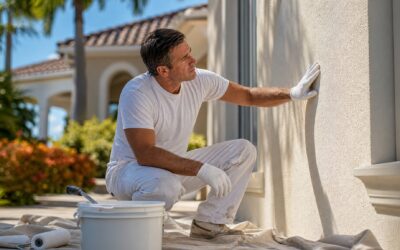
Pressure washing is often part of exterior preparation, especially where mildew, salt residue, dust, or chalking has collected. It must be done with the right pressure and technique. Excessive pressure can scar wood, force water behind siding, or damage older stucco. After washing, surfaces need adequate drying time. Painting over trapped moisture is one of the fastest ways to create coating failure in Southwest Florida.
Caulking also deserves more attention than it gets. Gaps around trim, windows, doors, and penetrations allow water to reach vulnerable areas. Flexible, paintable caulk helps seal those joints while allowing normal movement from heat and humidity. Caulk is not a substitute for repairing rotten wood or failed flashing, however. A dependable contractor should explain when a repair is needed before paint can do its job.
The Florida Conditions That Wear Paint Down
Florida sunshine is hard on exterior color. Ultraviolet rays slowly break down the binders that hold pigment together, leading to fading and the powdery surface known as chalking. Dark colors can be especially demanding because they absorb more heat. They can look striking on shutters, front doors, and modern exterior accents, but they may show fading sooner than lighter shades if the product and exposure are not considered carefully.
Humidity creates a different challenge. When exterior surfaces stay damp after rain or morning dew, mildew can develop, especially on north-facing walls, soffits, shaded patios, and areas near landscaping. A quality exterior coating with mildew resistance is helpful, but it cannot solve drainage issues, heavy vegetation against the home, or constant shade. Those contributing conditions should be addressed along with the painting work.
Salt air is another factor for homes near the Gulf, including Siesta Key, Venice, Englewood, and coastal areas of Sarasota and Manatee Counties. Salt can collect on painted surfaces and accelerate corrosion on metal components. Homes closer to the water generally benefit from more frequent washing and inspections. The best repaint schedule depends on exposure, substrate, prior paint condition, maintenance habits, and whether the property is a full-time residence or seasonal home.
Choosing a Coastal Home Painting System
The word “paint” can make a project sound simple, but durable results come from a system: surface preparation, repairs, primer where needed, compatible finish coats, and proper application. The best system varies by material.
For stucco, a breathable exterior coating is often a practical choice because it can accommodate the characteristics of masonry while providing strong color retention and weather protection. Cracks should be evaluated individually. Fine, nonstructural cracks can often be repaired as part of preparation, while larger or recurring cracks may point to a condition that should be assessed before coating.
For wood, moisture management is critical. Peeling paint can signal that water is entering from an unsealed edge, failed caulk joint, damaged board, or unprotected end grain. Sound wood should be sanded and primed where bare areas are exposed, while deteriorated boards may need replacement. Painting over softness or rot may improve the appearance briefly, but it does not restore the material underneath.
For fiber-cement siding and composite trim, proper cleaning and manufacturer-compatible coatings matter. These materials are durable, but they still expand, contract, and collect contaminants. For metal, corrosion-resistant primer and finish products are especially important around railings, lanai structures, exterior doors, and hardware exposed to damp coastal air.
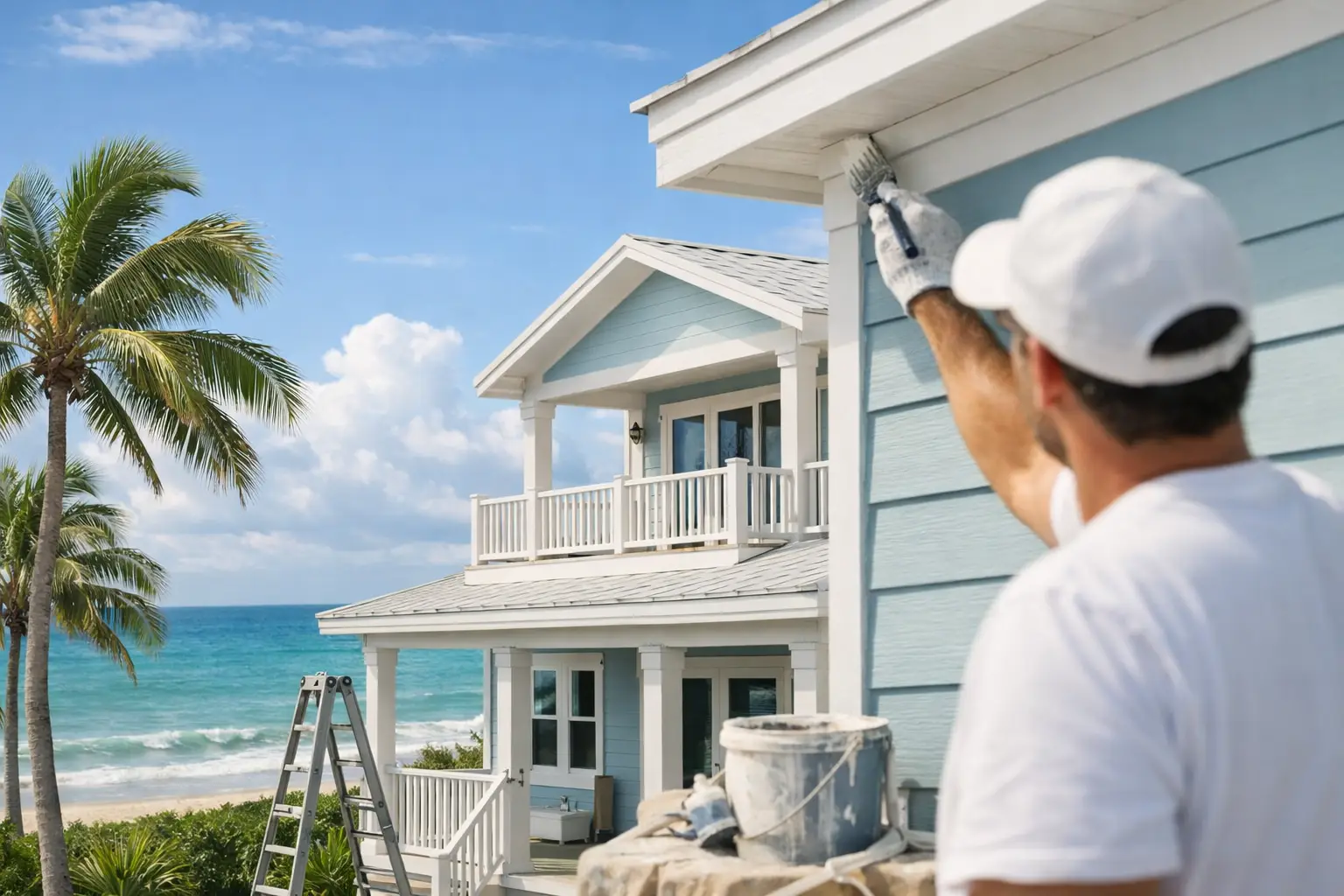
Color selection should balance personal style with practical maintenance. Whites, soft grays, sandy neutrals, and lighter blues are popular for Gulf Coast homes because they reflect heat and suit the local architecture. Dark accents can add contrast without covering every sun-exposed wall. If a homeowners association has color requirements, confirm approval before scheduling the work. A detailed consultation can help narrow the choices and identify colors that fit the home, neighborhood, and long-term maintenance expectations.
Timing Matters More Than a Perfect Forecast
Exterior painting cannot be planned around a promise of zero rain. In Southwest Florida, changing weather is part of the job. What matters is whether surfaces are dry, temperatures fall within the coating’s application range, humidity is manageable, and the crew has enough time for each coat to cure before rain arrives.
The dry season can offer more predictable working windows, but it is also a busy time for property improvements and real estate preparation. Summer can be productive when the project is managed around afternoon storms, surface temperatures, and drying time. A professional painter should monitor conditions throughout the job instead of applying paint simply because it is on the calendar.
Seasonal residents should also plan ahead. If you are returning to a home after several months away, inspect the exterior early for peeling areas, staining, failed caulk, and mildew. Addressing small issues before they spread can reduce repair work and make it easier to schedule painting around your time in Florida.
Do Not Overlook Interior Coastal Conditions
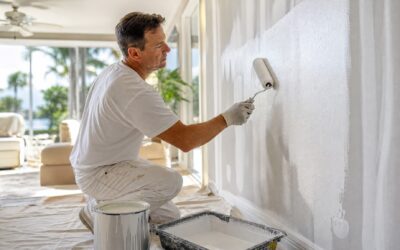
Coastal climate affects interiors, too. Air conditioning helps control humidity, but bathrooms, laundry rooms, kitchens, entryways, and garages still experience moisture, scuffs, and frequent cleaning. The right interior sheen makes a practical difference. Flat paint can soften wall imperfections in low-traffic rooms, while washable eggshell or satin finishes are often better suited to busy living areas. Semi-gloss is commonly used on trim, doors, and cabinets for its durability and cleanability.
Cabinet painting is a particularly cost-effective way to update a dated kitchen or bathroom without the expense and disruption of replacement. The finish, however, depends on detailed cleaning, sanding or mechanical preparation, adhesion-promoting primer, and a coating designed for cabinetry. A quick brush-and-roll approach may change the color, but it rarely delivers the smooth, durable result homeowners expect from a long-term upgrade.
Signs It Is Time to Schedule an Estimate
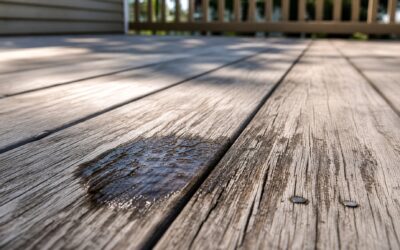
Exterior paint does not need to be completely bare before action is necessary. Early warning signs include fading color, chalky residue, peeling at trim edges, open caulk joints, mildew that returns quickly after cleaning, rust stains, soft wood, and hairline stucco cracks. On decks and exterior wood features, splintering, worn stain, or water that no longer beads on the surface can indicate that protective maintenance is due.
A clear estimate should separate preparation, repairs, materials, and painting scope so you know what is being addressed. Ask how surfaces will be protected, how landscaping and walkways will be treated, what repairs are included, and what coating products are recommended for your specific surfaces. Clear answers at the start prevent surprises later.
With more than 15 years of local experience and 2,700-plus completed projects, Pro Painting & Associates approaches each property with the preparation and climate-specific coating knowledge Florida homes require. A free, no-obligation estimate gives you a practical starting point, whether you are preparing to sell, updating a seasonal property, or protecting the home you plan to enjoy for years.
A well-planned paint project should leave your property looking refreshed, protected, and cared for – not create another maintenance concern a season later.