Online pricing calculators often mislead Florida homeowners. They rely on national data that ignores regional labor rates and climate-specific material requirements. Southwest Florida interior painting rates reflect higher insurance premiums and the moisture-resistant materials local building standards require, which creates a cost structure generic estimates cannot capture. Understanding the true interior painting cost per room in Florida means looking at local market conditions, not broad averages built for drier, less regulated regions.
Realistic Interior Painting Rates for Southwest Florida Homes
You need a baseline grounded in Venice and Sarasota market realities to budget accurately for your project. Local contractors price jobs on current insurance costs, compliant materials, and skilled labor availability, not outdated national benchmarks that ignore Florida’s regulatory environment.
Why Local Pricing Differs From National Averages
National averages assume standard drywall construction and moderate climates, where basic latex paint suffices for most applications. Florida homes demand mildew-resistant primers, humidity-tolerant topcoats, and longer drying times, and all three push up material costs and labor hours. A professional interior painting estimate has to account for Florida-specific prep work, like mildew treatment and humidity-appropriate primer, steps painters in arid states simply skip.
Insurance premiums for licensed contractors in coastal counties also run higher than inland markets because of hurricane exposure and litigation density. These operational costs show up in every line item of a legitimate estimate. They’re what lets the contractor honor warranties and keep proper coverage through your project.
Typical Price Ranges by Room Type in Venice and Sarasota
A standard 12×12 bedroom with eight-foot ceilings typically runs $450 to $750 for walls only, using premium-grade paint and professional prep. Primary suites with vaulted ceilings, extensive trim, or multiple windows often fall between $800 and $1,400, since scaffolding time and detailed brushwork replace faster rolling methods. Kitchens and bathrooms command higher per-square-foot rates because of cabinet protection, fixture removal, and the kitchen-and-bath formulations needed to resist grease and moisture.
These ranges assume properly prepared surfaces. They don’t include major drywall repair or texture matching. Homes that need extensive patching after wallpaper removal or water damage will see adjusted pricing once the contractor assesses the actual substrate condition on site.
Cost to Paint a Bedroom: What Drives the Estimate
The cost to paint a bedroom varies widely because room size alone doesn’t determine labor intensity or material use. Your final price depends more on architectural complexity and surface condition than on simple square footage.
Standard Bedroom vs. Primary Suite Pricing Factors
Guest bedrooms with minimal trim and standard window placements let crews work efficiently with predictable material use. Primary suites bring in variables like tray ceilings, crown molding, chair rails, and larger window casings, all of which need careful cutting-in and extra masking time. Each linear foot of trim adds brushwork that can’t be rolled, which extends labor hours even when wall area stays modest.
Furniture density affects pricing too. Moving and protecting heavy pieces takes longer than working in an empty room, so contractors build that handling time into bedroom estimates since it directly affects crew scheduling and project length.
How Trim, Ceilings, and Doors Change the Total
Adding ceilings to a bedroom estimate typically raises the base wall-only price by 30% to 50%, because overhead work is harder and often needs extra primer coats for stain blocking. Trim painting adds another 20% to 40%, depending on profile complexity and whether existing finishes need deglossing or sanding before new paint will adhere. Interior doors run $75 to $150 each when painted in place, and six-panel designs cost more than flat slab doors because of the added detail work.
Leaving these elements out of your scope lowers the upfront cost, but it also creates visible contrast between freshly painted walls and aged woodwork. Most homeowners who skip trim the first time around come back within two years to finish the job, paying a mobilization fee twice instead of once.
Understanding Interior Painting Price Per Square Foot
Square-foot pricing works well for open-concept living areas where large continuous surfaces dominate the layout. Compartmentalized floor plans with many small rooms make per-room pricing more accurate, because setup and cleanup time per space stays constant no matter the wall area.
Open layouts in newer Venice developments allow efficient spraying or rolling across expansive walls, which makes interior painting price per square foot a reliable budgeting metric. Older homes with numerous closets, alcoves, and partitioned spaces defy that math, since every transition point needs fresh taping and repositioned equipment. Contractors who evaluate homes like these typically give fixed prices per room rather than risk underestimating labor through oversimplified area math.
That distinction matters when you compare quotes, because one contractor may quote per square foot while another uses per-room rates for the same work. Converting both to the same unit shows whether the difference comes from pricing method or an actual change in scope.
Getting an Accurate Painting Estimate Per Room
A vague verbal quote leaves you exposed to change orders and prep work that falls short, which compromises how long the finish lasts. A written estimate should spell out surface prep steps, product names, coat counts, and protection measures, so you can see exactly what you’re paying for.
Red Flags in Low-Ball Quotes
Estimates well below local market rates often signal missing prep work, unlicensed labor, or uninsured operations that shift risk onto you as the homeowner. Unusually low bids may skip primer entirely, swap in builder-grade paint despite premium promises, or leave out ceiling and trim work you assumed was included. Shortcuts like these can look fine at first, then fail early from poor adhesion or moisture getting in, which is common in Florida’s climate.
Check that any contractor you’re considering carries current general liability and workers’ compensation insurance before you accept an estimate. Our painting contractor hiring checklist walks through how to verify coverage and licensing status on your own.
What a Professional Scope of Work Should Include
A thorough estimate covers wall washing, crack filling, nail pop repair, and caulking around trim before any paint goes on. It should specify primer type and brand for problem areas like water stains or patched drywall, and note where tinted primer helps with coverage on dramatic color changes. Protection clauses should describe floor covering materials, furniture wrapping methods, and HVAC vent sealing to keep dust from spreading during sanding.
Product specs should list manufacturer, sheen, and color codes for every surface, not vague terms like “premium interior latex.” That level of detail is what gets you the moisture-resistant, scrubbable formulations Florida interiors need, instead of discounted substitutes that break down quickly in humid conditions.
Florida-Specific Factors That Impact Interior Painting Costs
Climate-driven requirements add real time and material costs that out-of-state estimators routinely miss. Skip these factors and the budget falls apart once reality meets the job site.
Humidity Control and Mold-Resistant Primers
Coastal humidity calls for oil-based or shellac primers on susceptible surfaces to block tannin bleed and keep mold from coming back under the topcoat. These specialty primers cost more than standard acrylic versions and need longer recoat windows, which stretches project timelines by days rather than hours. Skipping them saves money upfront, but it invites callback expenses when discoloration or growth shows up within months.
Air conditioning has to run continuously during painting and curing, to keep surface temperature and ambient moisture from converging at the dew point. Contractors build utility costs and extended occupancy schedules into their estimates, because rushing the cure cycle in high humidity causes film defects that mean costly rework.
Stucco and Textured Wall Preparation Requirements
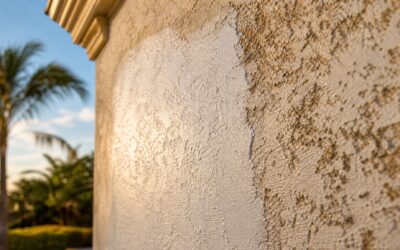
Venice and Sarasota homes with stucco interiors need extra patching and sealing steps before painting, which adds labor time compared to standard drywall. Knockdown and orange-peel textures trap dust and old paint residue that interferes with adhesion unless crews clean and spot-prime thoroughly. Repairing damaged texture takes skilled hands who can match the existing pattern, which adds specialized labor costs smooth-wall projects never see.
Textured surfaces also use 15% to 25% more paint than flat walls, simply because there’s more surface area and more absorption. An estimate that ignores this difference tends to lead to mid-project upcharges, or coverage that falls short and shows roller marks and lap lines in natural light.
Licensed Contractor Vs. Handyman: Value Beyond the Lowest Bid
Hiring uninsured labor shifts the financial responsibility for accidents, property damage, and code violations onto your own homeowner’s insurance policy. Licensed contractors absorb that risk through bonded operations, and they back their work with warranties tied to an enforceable contract, not verbal assurances that disappear once problems show up.
Pro Painting & Associates has provided licensed, insured interior painting services in Venice and surrounding counties for over 15 years, which builds a track record transient operators can’t match. The differences between licensed contractors and handymen go beyond paperwork. Licensed shops bring access to commercial-grade materials, crews trained on Florida substrates, and dispute resolution backed by state licensing boards. Paying a bit more for verified credentials buys protection against losses that dwarf whatever you’d save upfront if something goes wrong.
Planning Your Interior Painting Project Budget
Phasing work by priority lets you handle urgent needs now and put off cosmetic updates until the budget allows. High-traffic areas like kitchens, hallways, and primary bedrooms give you the most daily value per dollar, so they should anchor first-phase planning.
Picking colors strategically affects material cost too, since deep base colors need extra coats and tinted primers that lighter shades don’t. Our guide on choosing interior paint colors for Florida homes can help you balance aesthetic goals against budget before you commit to an expensive custom formulation. Neutral palettes also keep resale options open, which makes them a sound choice if you’re thinking about listing down the road.
Request a detailed, no-obligation quote built around your room layout and your home’s specific conditions, so you get accurate numbers to start from. Pro Painting & Associates provides interior house painting services in Sarasota with transparent pricing that reflects real local costs, not optimistic guesses.
Frequently Asked Questions
What is the typical cost range for painting a single room in Southwest Florida?
Standard bedrooms in Venice and Sarasota typically cost between $450 and $750 for walls only using premium paint and professional preparation. Primary suites with vaulted ceilings or extensive trim range from $800 to $1,400 due to additional scaffolding and detail work. Prices assume properly prepared surfaces and exclude significant drywall repair or texture matching.
How much does adding ceilings and trim increase bedroom painting costs?
Including ceilings typically raises the base wall-only price by 30% to 50% because overhead work requires additional primer and slower application methods. Trim painting adds another 20% to 40% depending on profile complexity and whether deglossing is needed for adhesion. Combining all three elements avoids remobilization fees that occur when completing phases separately.
Why do interior painting price per square foot estimates vary so widely in Florida?
Open-concept homes allow efficient spraying that makes square-foot pricing reliable, while compartmentalized older homes require per-room rates due to constant setup transitions. Textured walls consume 15% to 25% more paint than smooth surfaces, creating variance even in identically sized spaces. Humidity-mandated prep steps like mildew treatment add labor hours that arid-climate estimates never include.
Does hiring a licensed painting contractor cost significantly more than a handyman?
Licensed contractors typically charge 15% to 30% more than uninsured handymen due to insurance premiums, compliant materials, and trained crews. This premium buys protection against accident liability, warranty enforcement, and code-compliant workmanship that prevents costly rework. The long-term value exceeds initial savings when accounting for durability and risk transfer away from your homeowner’s policy.