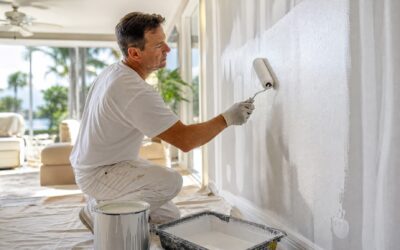
Finding reliable exterior painters near Venice, FL starts with checking credentials, before you ever get to color choices or timelines. Pro Painting & Associates has served homeowners in Sarasota and Manatee counties for over 15 years. Its crews are fully licensed and insured and understand what Gulf Coast properties actually need. A contractor has to treat preparation as seriously as the final coat, because Florida’s climate exposes every shortcut taken early in an exterior painting project.
Licensed Exterior Painting Company in Venice, FL
Hiring a licensed exterior painting company in Venice protects you against liability and confirms the crew meets state standards for residential contracting work. Pro Painting & Associates carries full insurance coverage and proper licensing, because homeowners deserve peace of mind when workers are on their property for days or weeks at a time. That credentialing is what separates established professionals from transient operators who disappear after substandard work, or after causing damage they can’t cover.
Fifteen years of continuous local service is a kind of stability newer companies can’t claim, no matter how a search for Venice FL exterior painters ranks them.
You can verify this standing through state licensing boards rather than relying on marketing claims or online reviews that may not reflect current business practices. A painting contractor’s longevity in this market tracks directly with how well it handles warranty issues, keeps quality consistent across different crews, and sources materials suited to coastal environments. Documented history and verifiable compliance build trust. Persuasive website copy and discounted rates often just signal corner-cutting somewhere else in the process.
Comprehensive Exterior Painting Services for Florida Homes
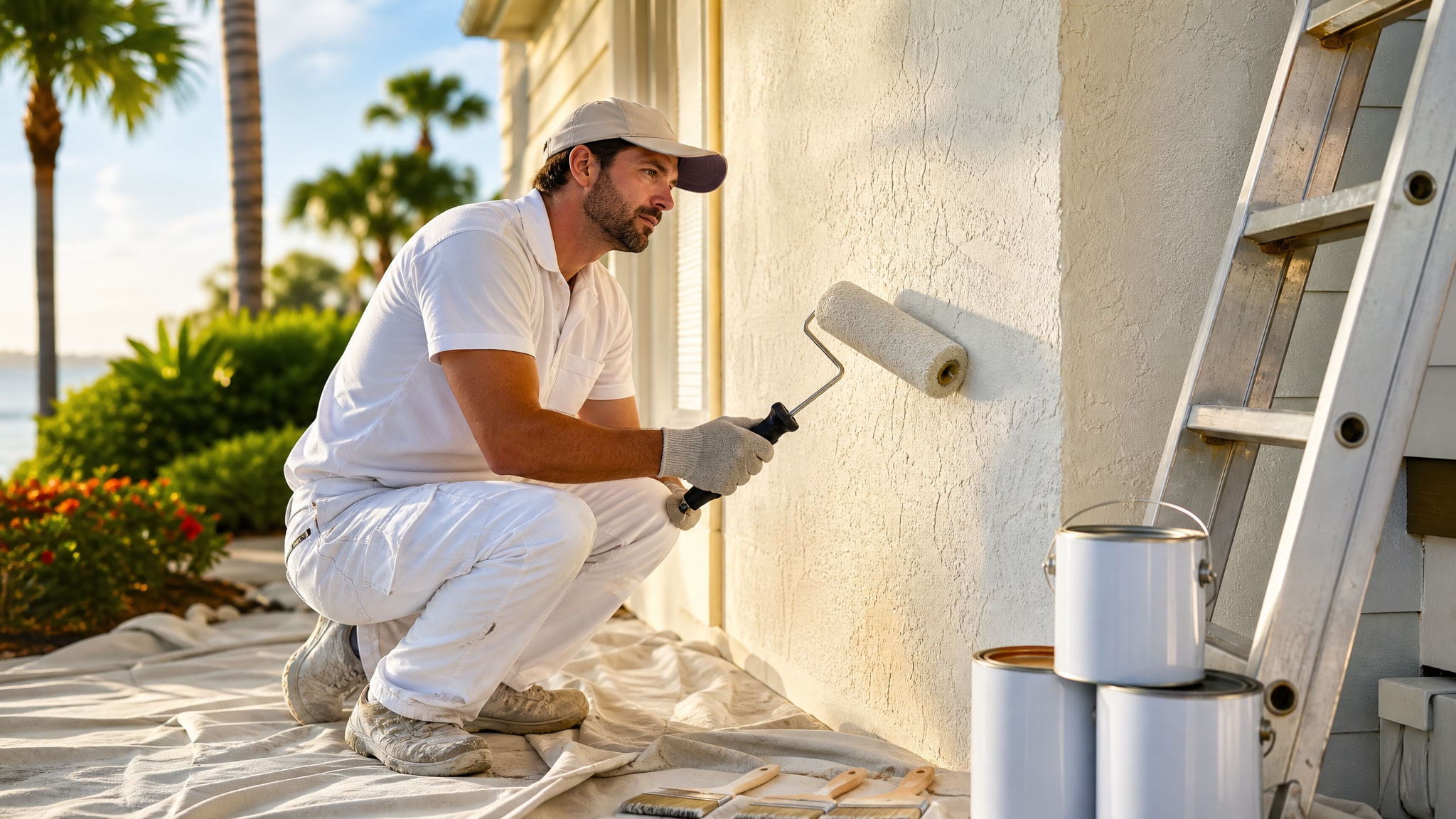
Florida homes present surface challenges that go beyond standard residential painting work found in other regions. Pro Painting & Associates handles stucco painting, trim restoration, deck refinishing, and wood staining as one integrated service, not separate trades that need separate contractors. Stucco surfaces need specific primers and elastomeric coatings that bridge hairline cracks while still letting moisture vapor escape, which keeps the surface from blistering under intense sun.
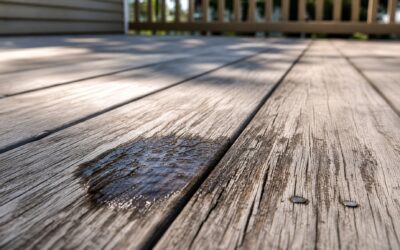
Wood elements like fascia boards, window frames, and lanai ceilings need a careful inspection for rot or termite damage before any paint goes on. Your home’s architectural details decide which prep methods and product systems will actually hold up against salt air and the seasonal storms common throughout Sarasota County. Deck staining and refinishing follow the same logic: surface cleaning, brightening, and proper drying time matter more than which stain brand ends up in the can.
This integrated approach avoids the coordination failures that show up when homeowners hire separate specialists for stucco, trim, and woodwork without one unified plan. A single contractor managing every exterior surface means consistent color, properly sequenced prep steps, and one party accountable for the whole building envelope, not fragmented responsibility. A search for house painting service near me should turn up a contractor who can address the whole structure, not just the most visible wall planes.
Why Local Experience Matters for Venice Exterior Painting
Gulf Coast humidity and salt-laden breezes cause coating failure faster than most inland painting contractors ever encounter, let alone prepare for. Pro Painting & Associates has worked exclusively in this region for fifteen years, and that hands-on experience with these environmental stressors is knowledge no manufacturer datasheet can substitute. Salt crystals embed themselves in porous stucco and wood grain during winter months, then draw in moisture that undermines adhesion unless surfaces get cleaned with the right solutions and pressure settings.
UV radiation here degrades binders in conventional paints faster than national averages suggest, which is why formulations need higher solids content and UV-resistant pigments. Stucco painters near me need to recognize when afternoon shade patterns create different expansion rates across wall planes, since that’s what leads to premature cracking at seams and corners. Morning dew combined with afternoon heat also creates condensation cycles inside wall cavities, pushing moisture outward through fresh paint if nobody accounted for vapor barriers during product selection.
Local experience means knowing which neighborhoods carry higher salt exposure from nearby inlets versus those sheltered by mangrove buffers or dune lines. That geographic detail shapes decisions about wash frequency, primer chemistry, and topcoat sheen, adjustments that generic regional advice tends to skip. Contractors unfamiliar with Venice microclimates apply standardized protocols built for broader markets, missing the small adjustments that add years, not months, to service life.
Choosing the Right Paint for Florida Humidity and Sun Exposure
Product selection decides whether your paint job lasts three years or fifteen, given the solar degradation and moisture cycles here. Pro Painting & Associates specifies coatings based on substrate condition, orientation, and exposure, rather than defaulting to mid-tier products that trade away performance for coastal jobs. Acrylic elastomerics give stucco the flexibility it needs to move, while staying breathable enough to keep summer thunderstorms from trapping moisture and causing delamination.
Understanding Sheen Levels and UV Resistance
Higher sheen finishes resist dirt and mildew better than flat paint, but they also show surface imperfections that lower gloss levels hide. Satin and eggshell strike a middle ground for walls with minor texture variation, where durability still matters more than perfect uniformity. Trim and soffits do better with semi-gloss or gloss, finishes that hold up to frequent cleaning and direct water runoff without showing lap marks or brush strokes in raking light.
UV-resistant additives cost more upfront, but they head off the chalking and fading that would otherwise force a repaint years ahead of schedule. Darker colors absorb far more heat than lighter tones, which speeds up binder breakdown and adds thermal stress to the substrate underneath during peak summer afternoons. Reflective pigment technology now allows deeper colors without the matching heat gain, opening up design options that used to be limited to pastels and whites in high-exposure areas.
Primer Selection for Problem Surfaces
Masonry primers built for alkaline substrates prevent the saponification reactions that cause oil-based topcoats to soften and peel within months. Stain-blocking primers handle tannin bleed from cedar and redwood, common in older Venice homes where past maintenance let moisture in. Bonding primers create mechanical adhesion on glossy or chalky existing coatings that sanding alone can’t reliably prep for new paint.
Skipping primer, or reaching for a universal product marketed as an all-surface solution, invites early failure on the problem areas that carry disproportionate risk despite their small square footage. Proper primer costs only a little more than topcoat material, but it decides whether the whole system performs as designed or fails first at its weak points. Exterior painters near Venice, FL who understand substrate chemistry pick primers by function, not convenience, matching product properties to what they find during a site evaluation.
Moisture testing with electronic meters finds hidden saturation behind surfaces that look dry, the kind that would trap water beneath new coatings if painted without enough drying time. That diagnostic step is what separates real professional preparation from a cosmetic refresh that looks fine at first and falls apart once seasonal rains expose inadequate substrate conditioning. Product warranties only hold up when the crew follows the manufacturer’s application instructions exactly: temperature ranges, recoat windows, and surface prep standards, documented with photos throughout the project.