Homeowners in Venice, Sarasota, and Manatee counties face a specific set of challenges when maintaining outdoor living spaces. Salt air, intense UV radiation, and high humidity wear down exterior surfaces faster here than in inland climates. Understanding the difference between wood deck and composite deck refinishing is the first step toward protecting your investment. Many residents assume all decking materials follow the same maintenance schedule, but treating them identically leads to wasted money or permanent damage. You need to know exactly what your deck requires before scheduling any service.
Pro Painting & Associates has provided licensed deck staining and exterior painting services in Venice, FL for over 15 years, which means direct, hands-on experience with how local wood actually degrades. That history shows most premature deck failures come down to one thing: misidentifying the material, or applying the wrong product to it. A proper assessment tells you whether you need a full staining service or just a specialized cleaning.
Core Differences in Deck Refinishing Requirements
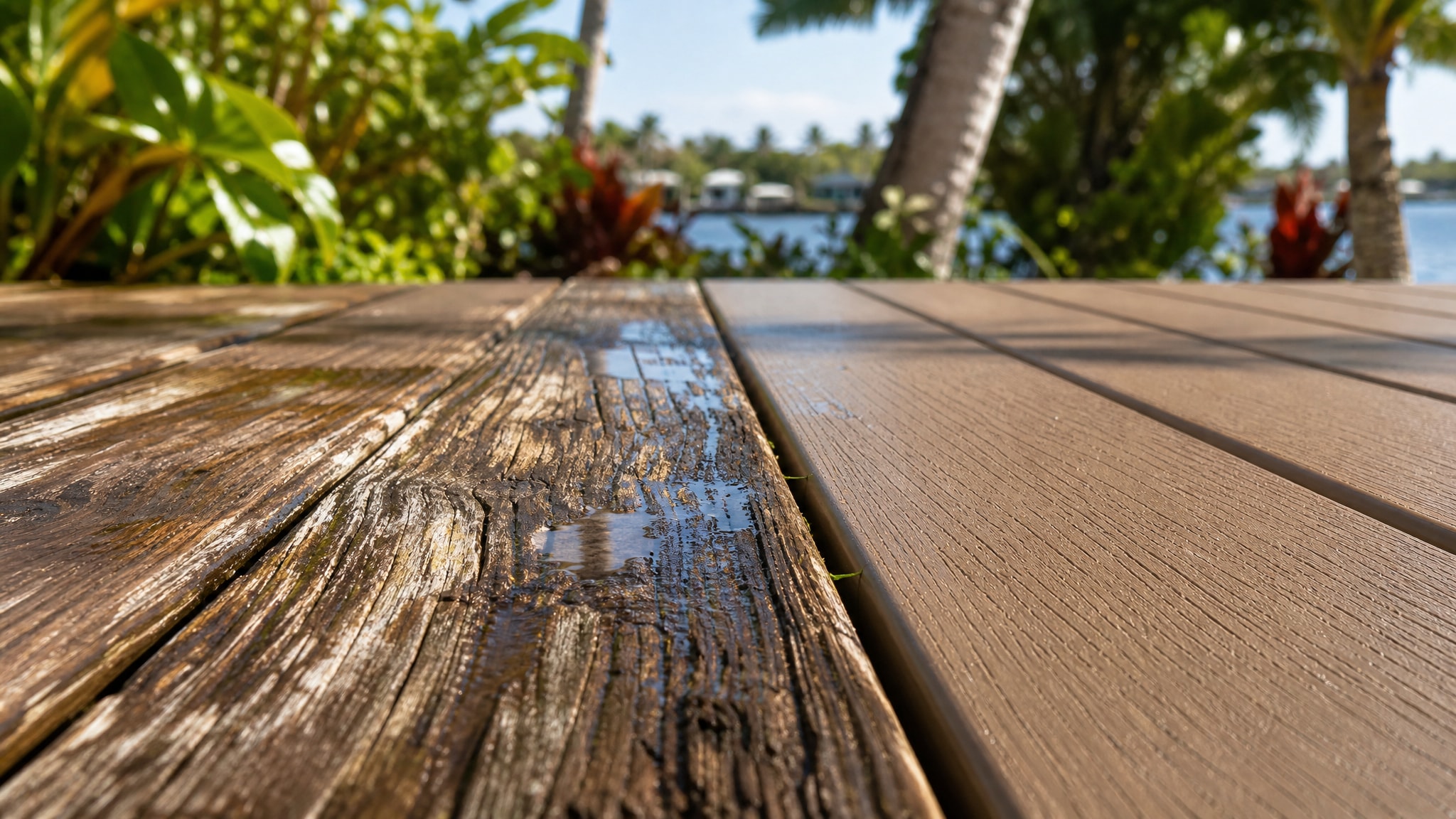
The fundamental difference between natural timber and manufactured decking comes down to porosity. Porosity decides whether a surface can accept a protective coating at all. Wood is organic and porous. It absorbs moisture and UV rays, so it needs penetrating stains or sealers to prevent rot and structural decay. Composite decking is wood fiber encapsulated in plastic, or capped with a polymer shell. That creates a closed-cell surface that can’t absorb traditional refinishing products.
Why Wood Demands Active Protection
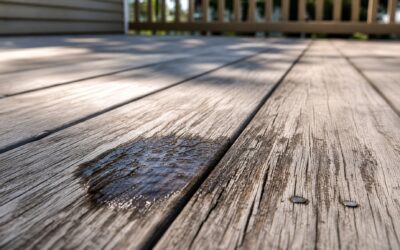
Natural lumber acts like a sponge when left unprotected in Florida’s subtropical environment. Moisture intrusion causes swelling, warping, and eventually fungal growth if the wood fibers sit exposed to rain and humidity too long. Penetrating oil-based stains replace the natural resins that weathering strips away, keeping boards flexible and resistant to cracking. Skip that protection cycle, and even pressure-treated pine will gray and deteriorate within a single season of coastal exposure.
Composite Material Limitations
Capped composite decking manufacturers universally void warranties when owners apply paint, stain, or sealant to the surface. These products are built to be low-maintenance, resisting staining and fading through the manufacturing process itself rather than through anything applied on top. Put a wood stain on composite and you get a sticky, peeling mess, because the material has no cellular structure for the coating to bond to. If your composite deck looks faded or damaged, the fix is usually board replacement or professional cleaning, not refinishing.
Wood Deck Maintenance and Refinishing Process
Restoring a natural wood deck involves far more than brushing on a new coat of color. How well any finish adheres and lasts depends almost entirely on how thoroughly the wood was prepared beforehand. Skip the prep steps and you guarantee premature failure, especially in a Gulf Coast environment where moisture trapped beneath old stain causes rapid peeling.
Preparation and Surface Cleaning
Proper preparation strips away failing coatings, mill glaze, dirt, and biological growth that would otherwise block stain penetration. Pressure washing has to run at the right pressure: enough to clean deeply, not so much that it gouges soft wood fibers or drives water into the substructure. After washing, a brightener neutralizes residual alkalinity and opens the wood grain to accept new product. This multi-step cleaning bonds the stain chemically instead of leaving it sitting on top as a thin film.
Staining vs Sealing Deck Surfaces
Choosing between staining and sealing comes down to aesthetic preference and how much UV protection you need. Clear sealers preserve the natural wood tone but offer little UV resistance, so graying returns quickly under Florida sun. Semi-transparent stains add pigment that blocks harmful rays while still showing grain texture, a middle ground between protection and natural appearance. Solid stains act more like exterior paint formulated for Florida humidity: maximum UV blocking, at the cost of hiding the wood’s natural character.
Florida Climate Considerations for Wood
Wood decks in coastal Florida typically need refinishing every two to three years. Intense UV exposure and salt air accelerate finish breakdown far faster than they do inland. Solar radiation degrades lignin in wood cells while salt crystals abrade surface finishes during wind events, which is why the interval runs shorter here than national averages. Humidity also stretches drying times between coats, so contractors have to plan applications around weather windows carefully. Ignore these regional factors and finishes fail in months instead of years.
Composite Deck Maintenance Expectations
Composite decking eliminates the staining cycle but brings its own maintenance requirements that homeowners often misunderstand. These materials resist rot and insects, but they still collect mold, mildew, and grime that needs regular attention. The distinction is that composite maintenance is about cleanliness, not preservation.
Cleaning Without Chemical Damage
Gentle washing with manufacturer-approved cleaners removes organic growth without damaging the protective cap layer. Harsh chemicals, abrasive pads, or high-pressure settings can scratch the polymer surface, creating rough spots that trap dirt and speed up future staining. Most composite manufacturers recommend soft-bristle brushing and low-pressure rinsing to keep warranty coverage intact. Skip bleach-based cleaners unless the manufacturer specifically approves them; they can discolor the cap and degrade its UV inhibitors.
When Replacement Beats Refinishing
Faded, scratched, or delaminated composite boards can’t be restored through refinishing, because the color either runs through the whole material or exists only in the thin cap layer. Wood can be sanded and restained repeatedly. Composite damage is usually permanent once it breaks the surface. Severely weathered sections need individual board replacement to restore a uniform look and keep the structure sound. Painting over damaged composite just delays the inevitable replacement, and adds extra removal work later.
Comparing Long-Term Upkeep and Costs
Budgeting for deck ownership means understanding that each material runs on a different cost cycle. Wood carries predictable recurring expenses for professional refinishing every few years, while composite shifts the cost toward a higher initial installation and occasional partial replacements. Neither option is maintenance-free. Their financial profiles just differ.
Pressure-treated pine and cedar are the most common wood decking materials in Sarasota County homes built before 2010, and both need regular penetrating oil-based stains. Homeowners with these decks should budget for professional refinishing every two to three years to head off costly structural repairs down the line. Checking local exterior refinishing pricing helps set a realistic annual maintenance reserve. Composite owners skip staining costs entirely but may face expensive board replacements if damage happens outside the warranty period.
Deck Refinishing Options for Aging Structures
Not every aging deck is a candidate for cosmetic refinishing, no matter the material. Structural assessment has to come before any aesthetic work, to keep things safe and avoid wasting money on a surface that’s headed for replacement anyway. A professional evaluation catches hidden rot, fastener corrosion, and framing issues that fresh stain can’t fix.
Solid Stain vs Semi-Transparent Finishes
Solid stains mask imperfections and give heavily weathered wood the most UV protection available, which matters once a deck has lost its natural beauty. These opaque coatings bridge minor cracks and color inconsistencies, stretching the visual service life of an older deck. Semi-transparent options show off remaining grain character, but they need sounder wood underneath to look acceptable. The choice usually comes down to whether you want maximum protection or a natural look for the deck you actually have.
Assessing Board Integrity Before Service
Structural repairs always come before cosmetic refinishing, so the new finish adheres properly and lasts as long as it should. Rotted boards, loose railings, and corroded fasteners hurt both safety and finish performance if left alone. A thorough inspection probes suspect areas with awls or screwdrivers to find soft spots hidden beneath surface grime. Only after confirming the structure is sound should staining or sealing proceed.
Identifying Your Deck Material Correctly
Misidentifying your deck material leads to costly mistakes, whether you’re buying products or hiring a contractor. Visual inspection alone can mislead you, especially on older installations where wear has changed the surface. A few tactile and observational checks confirm whether you have natural wood, uncapped composite, or modern capped composite before you commit to a refinishing project.
Look at end cuts or hidden edges where the material’s cross-section shows. Natural wood has continuous grain patterns and growth rings running through its thickness. Composite shows a uniform mix of fibers and plastic, or a distinct cap layer. Uncapped composite feels evenly textured and can show fiber fuzzing when scratched; capped versions have a smooth polymer surface that looks nothing like the core. A water absorption test on an inconspicuous spot helps too: wood darkens as it soaks up moisture, while composite beads water on the surface. Confirming the material stops you from putting wood stain on a non-porous surface, and keeps you from voiding a warranty on manufactured decking.
Hiring Licensed Professionals for Deck Staining
Deck refinishing in coastal Florida takes specific expertise that general handymen often don’t have. Product selection, application timing, and prep standards vary a lot depending on microclimate and material. Checking credentials protects you from liability and makes sure the work meets manufacturer warranty requirements.
Confirm current licensing and insurance before contracting any deck refinishing services in Sarasota and Manatee counties. Unlicensed operators may quote lower prices, but you have no recourse if the work fails or the property is damaged during the project. Licensed Venice deck staining professionals know the local building codes, environmental rules, and product compatibility issues specific to Gulf Coast conditions. The same expertise matters for interior work, where wood refinishing techniques for interiors demand similar attention to material and climate control.
Refinishing restores wood decks, but it doesn’t repair structural damage, and it won’t extend a compromised composite deck past its engineered limits. Knowing that boundary keeps you from being disappointed, and points your money at the right fix for your situation.