A fresh paint job should form a smooth, protective film. When small lines, wide splits, or web-like cracks begin to appear, the issue is more than cosmetic. Homeowners often ask why paint cracks, especially after a season of Florida heat, humidity, rain, and intense sun. The answer usually starts below the paint itself.
Cracking can signal movement in the surface, trapped moisture, poor adhesion, an incompatible coating, or paint that has simply reached the end of its service life. Catching the cause early gives you more options. In some cases, careful repair and repainting will restore the finish. In others, the damaged paint must be removed and the underlying surface corrected before new paint goes on.
Why Paint Cracks: The Most Common Causes
Paint is flexible to a point, but it cannot compensate for every change in a home’s exterior or interior surfaces. The pattern, location, and timing of the cracks offer useful clues about what is happening.
Heat, UV exposure, and Florida weather
Southwest Florida exteriors face long periods of direct ultraviolet exposure. Over time, UV rays break down the binders that help paint remain flexible and attached to the surface. The coating becomes dry and brittle, then begins to crack as siding, trim, stucco, or masonry expands and contracts with changing temperatures.
Darker colors can be especially demanding on sun-facing walls because they absorb more heat. That does not mean dark paint is off limits, but it does mean the paint system, sheen, and surface preparation need to be chosen with care. Premium exterior coatings designed for Florida conditions typically hold flexibility and color better than low-grade products.
Moisture behind or beneath the paint
Moisture is one of the most common reasons paint fails along the Gulf Coast. Water can enter through failed caulk, roof or gutter issues, cracks in stucco, unsealed wood, leaking windows, plumbing leaks, or wind-driven rain. Once moisture gets behind a coating, it can weaken adhesion and cause cracking, blistering, peeling, or soft spots.
Exterior wood trim is particularly vulnerable. Wood expands as it takes on moisture and shrinks as it dries. A rigid or failing paint film cannot move with it forever. On interior walls, paint cracks near bathrooms, kitchens, windows, or ceilings may point to elevated humidity or a leak that deserves attention before repainting.
Insufficient surface preparation
A new coat is only as reliable as the surface below it. Painting over chalky residue, mildew, dust, loose paint, grease, glossy finishes, or damaged drywall creates a weak bond. The paint may look good at first, then crack or peel as weather and everyday use expose the problem.
Proper preparation can include pressure washing where appropriate, mildew treatment, scraping loose material, sanding edges, patching damaged areas, caulking gaps, priming bare surfaces, and allowing repairs to dry fully. Skipping those steps may save time on the front end, but it often shortens the life of the paint job.
Too many coats or coats applied too thickly
Paint needs the right film thickness and drying time. When thick coats are applied too quickly, the top layer can dry before the material below has cured properly. The result may be wrinkling, cracking, or a pattern sometimes called “alligatoring,” where the surface resembles reptile skin.
This issue can also happen when incompatible paint types are layered together. For example, applying a less-flexible coating over an older surface without proper priming can create stress as the layers age differently. A professional assessment helps determine whether the existing coating can be safely painted over or needs more extensive removal.
Natural movement in drywall, wood, and stucco
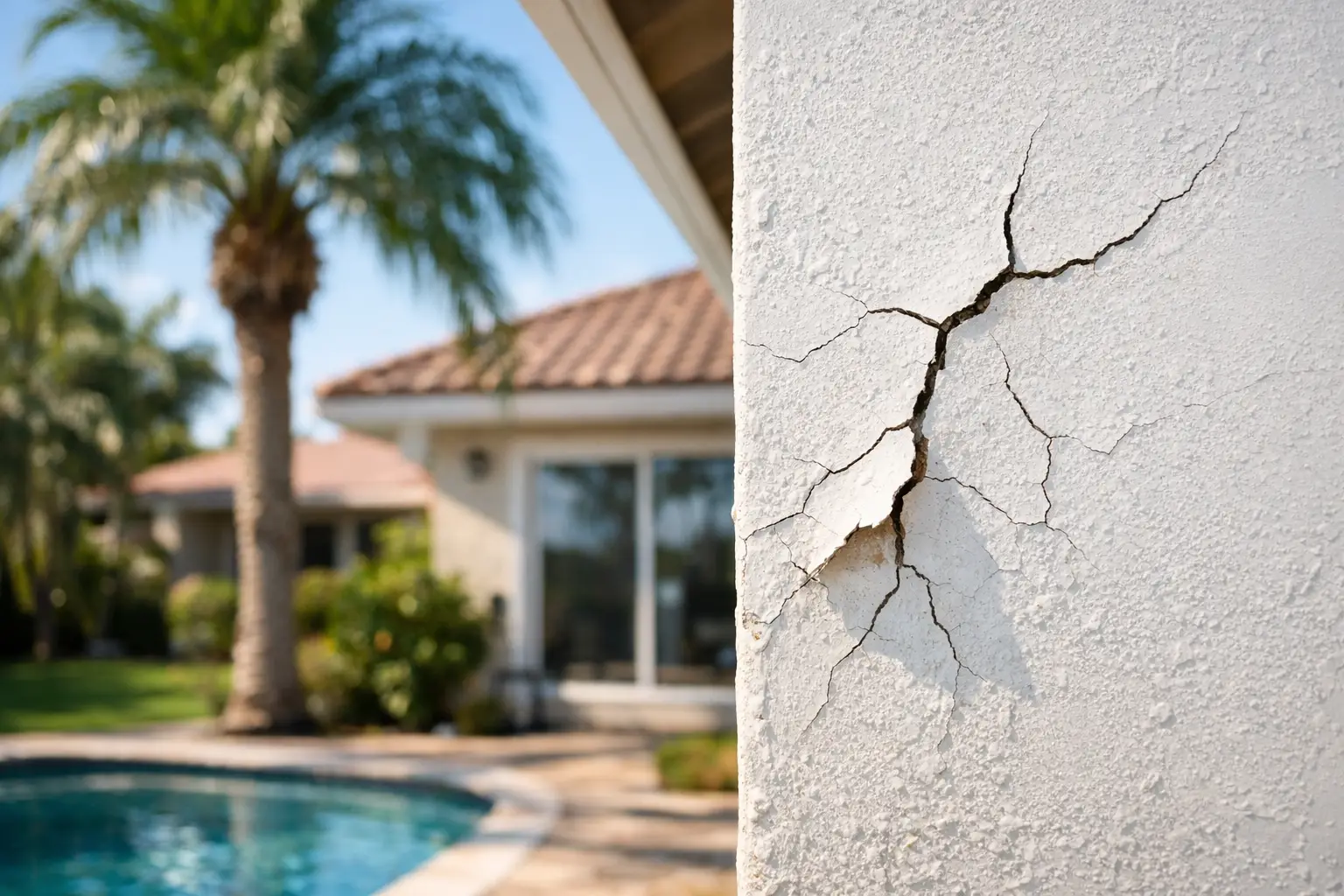
Not every crack begins with the paint. Homes move slightly over time as materials settle, expand, contract, and respond to temperature and moisture changes. Drywall seams can develop hairline cracks, particularly around doors, windows, and ceiling transitions. Wood joints can open, while stucco can develop small cracks that transfer through the paint film.
Hairline cracks are often repairable, but wider, recurring, or diagonal cracks should not be ignored. They may be related to building movement, water intrusion, or a substrate issue that requires repair before painting. Paint can protect and improve a surface, but it should not be used to hide an active structural concern.
How to Tell Whether the Cracks Are Minor or Urgent
A few fine cracks in an older painted surface do not always mean major repairs are needed. If the paint remains firmly attached and the cracks are limited to a small area, sanding, patching, spot priming, and repainting may be enough.
The situation is more urgent when cracks are paired with bubbling, peeling, staining, softness, visible mold or mildew, or crumbling drywall or stucco. These signs suggest moisture or material deterioration beneath the coating. Repainting without solving that source will usually lead to another failure cycle.
Pay attention to where cracking occurs. Cracks around window trim, fascia, soffits, and exterior doors often deserve a close check for failed caulk or water entry. Cracks on sunny elevations may point to UV wear and aging paint. Repeated cracks in the same interior seam may indicate movement that needs a more durable repair method than a simple skim coat.
The Right Repair Depends on the Surface
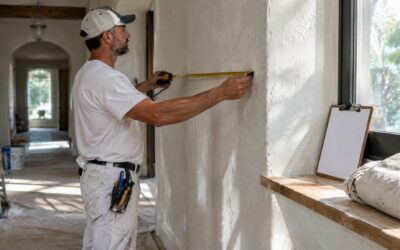
There is no single fix for cracked paint. A qualified painter should first identify whether the problem is in the paint, the preparation, or the substrate.
For a sound exterior coating with isolated cracks, the process may involve cleaning, scraping loose edges, sanding the transition smooth, filling minor defects, applying the correct primer, and finishing with a high-quality exterior paint. On wood, exposed areas should be sealed promptly so moisture does not continue working into the material.
For drywall, repairs may include securing loose tape, applying joint compound in thin layers, sanding, spot priming, and repainting the wall or ceiling for an even appearance. Painting only a patch can sometimes leave a visible difference in sheen or color, especially on older walls. In many rooms, repainting the full surface produces the cleaner result.
Stucco requires its own approach. Small non-structural cracks can often be repaired with compatible patching materials or elastomeric products where appropriate. Larger cracks, loose stucco, or cracks that continue to reopen may require a deeper evaluation. The goal is to repair the surface correctly, not simply cover evidence of a problem.
Preventing Paint Cracks Before They Start
A longer-lasting paint job begins with maintenance, not just a new color choice. Keep gutters and downspouts directing water away from the home. Inspect caulk around windows, doors, trim, and penetrations regularly. Address roof leaks, plumbing leaks, and irrigation overspray promptly.
Exterior cleaning also matters in Florida. Mildew, salt air, pollen, and chalking can interfere with paint performance if they are allowed to build up. Gentle, appropriate washing keeps coatings cleaner and makes it easier to spot developing issues before they become larger repairs.
When it is time to repaint, the lowest bid is not always the lowest long-term cost. Detailed surface preparation, quality primers, climate-appropriate coatings, and proper application conditions all affect how well paint holds up. Paint should not be applied to damp surfaces or when rain, heavy humidity, or extreme heat will interfere with drying and curing.
At Pro Painting & Associates, the process begins with looking beyond the visible crack. With more than 15 years serving Southwest Florida properties, the team evaluates the condition of the surface, addresses preparation needs, and recommends coating systems suited to local heat, humidity, UV exposure, and coastal weather.
A cracked paint finish is a useful message from your home. Address it while the repair is manageable, and you can protect the materials underneath while keeping your property looking cared for. A free, no-obligation estimate can provide a clear path forward when you are unsure what the cracking means or how extensive the repair needs to be.