A hairline crack on a stucco wall can look minor in January and become a moisture problem after a summer of Southwest Florida rain, heat, and direct sun. That is why the choice between acrylic versus elastomeric coatings is more than a color decision. The right system can protect your exterior, while the wrong one can trap moisture, fail prematurely, or add cost without solving the actual problem.
For homes and commercial properties in Venice, Sarasota, Bradenton, and surrounding Gulf Coast communities, both coating types have a place. The better choice depends on the surface, its condition, the amount of cracking, moisture exposure, and the quality of preparation underneath the finish.
Acrylic Versus Elastomeric Coatings: The Core Difference
Acrylic coatings are water-based paints or protective finishes that cure into a durable film. They are widely used on stucco, masonry, fiber cement, wood, and properly prepared exterior trim. A quality exterior acrylic provides strong color retention, ultraviolet resistance, mildew resistance, and dependable adhesion when applied to a clean, sound surface.
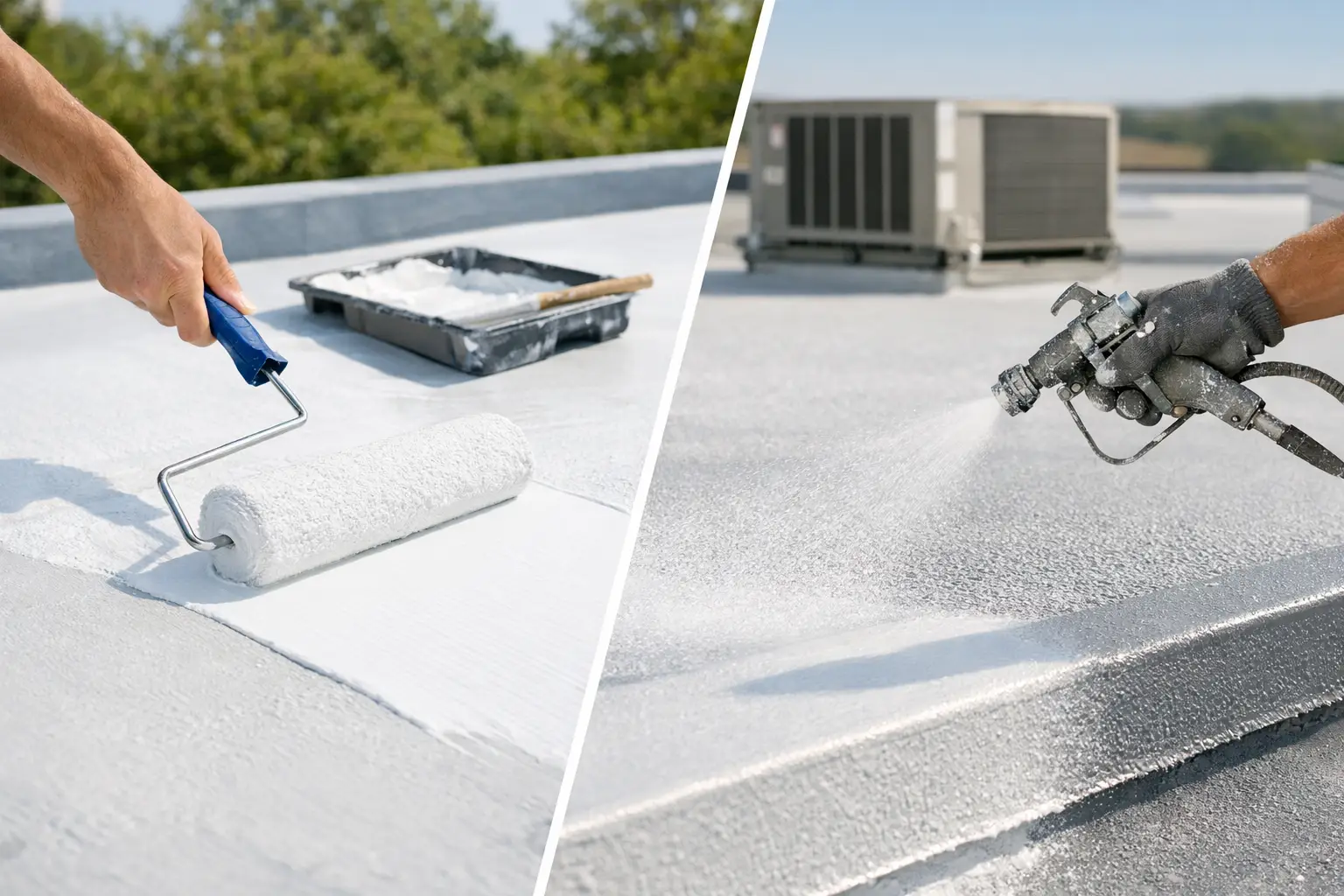
Elastomeric coatings are thicker, more flexible coatings designed primarily for masonry and stucco. Many are acrylic-based, but their defining feature is elasticity. After curing, an elastomeric coating can stretch and recover as a wall expands and contracts with temperature changes. That flexibility helps bridge certain hairline cracks that ordinary acrylic paint may not cover as effectively.
The difference is often easiest to understand this way: acrylic paint is an excellent protective finish for a stable surface. Elastomeric coating is a specialized protective membrane for a masonry surface with manageable cracking and movement.
Neither is automatically better. A thick elastomeric product is not a cure for a wall with active water intrusion, failing stucco, loose paint, or structural cracks. Likewise, a standard acrylic finish may be the smarter, more breathable option for a sound exterior that only needs renewed color and weather protection.
When Acrylic Coating Is the Better Fit
High-quality exterior acrylic is often the practical choice for homes with stucco, siding, soffits, fascia, trim, and other surfaces that are in good condition. It applies more easily than elastomeric material, offers a broad range of sheen and color options, and typically produces a cleaner, more traditional painted appearance.
For Florida exteriors, premium acrylic coatings are valued for their resistance to fading and chalking under intense UV exposure. They also handle normal humidity and rainfall well when the surface has been properly cleaned, repaired, primed where needed, and allowed to dry before painting.
Acrylic is usually a strong option when the wall has only minor, isolated cracks that can be repaired individually before painting. A professional can clean out and fill those cracks with a compatible patching or sealant material, feather the repair, and then apply an appropriate primer and finish coats. This approach avoids building an unnecessarily thick coating system over an otherwise stable wall.
Acrylic can also be preferable when vapor permeability matters. Exterior walls need to manage moisture correctly. If water vapor is moving through a masonry wall from inside or from the ground, a less breathable coating can create trouble if the wall has not been evaluated and prepared for that condition.
When Elastomeric Coating Makes Sense
Elastomeric coating is often considered for stucco, concrete block, poured concrete, and other masonry walls with widespread hairline cracking. Florida homes commonly experience small surface cracks as buildings settle and exterior materials react to seasonal temperature and humidity changes. On the right surface, elastomeric coating can create a flexible, continuous layer that improves protection against wind-driven rain.
This can be especially valuable on exposed walls that receive heavy afternoon storms or harsh coastal weather. A properly selected and applied elastomeric system can help reduce water entry through fine, non-moving cracks while refreshing the appearance of worn or uneven stucco.
However, elastomeric coatings need proper conditions to perform. They are generally thicker than standard paint, so application rates, drying conditions, and coverage must be carefully controlled. Applying the coating too thin can reduce crack-bridging performance. Applying it over damp, dirty, chalky, or poorly bonded paint can lead to peeling or blistering.
Elastomeric is also not the best answer for every type of crack. Cracks that are wide, deep, actively moving, or related to failed stucco need repair before coating. A coating may hide the problem for a short time, but it cannot restore loose substrate or correct a drainage issue behind the wall.
The Trade-Off: Flexibility Can Require More Attention
The extra thickness and flexibility of elastomeric material come with trade-offs. It can take longer to apply, may require more material, and can be more difficult to touch up later without visible differences. Some products also create a flatter finish than homeowners expect, although available sheens vary by manufacturer and coating system.
Moisture management is another consideration. Not all elastomeric coatings have the same permeability. For a wall with known moisture concerns, the contractor should identify the source first rather than simply cover the evidence. Efflorescence, bubbling paint, recurring mildew, and soft or deteriorated stucco are signs that deserve closer inspection.
Preparation Determines How Long Either Coating Lasts
Whether the project calls for acrylic or elastomeric material, preparation has a direct effect on adhesion and service life. Florida exteriors collect mildew, salt residue, airborne dirt, chalking paint, and moisture. Coating over those contaminants is one of the fastest ways to create a premature failure.
A thorough exterior coating project typically involves these essential steps:
- Pressure washing or soft washing the appropriate surfaces to remove dirt, mildew, and loose material.
- Scraping, sanding, and spot-priming areas with peeling paint, exposed substrate, stains, or repairs.
- Repairing cracks, damaged stucco, gaps around penetrations, and failed sealant joints with compatible materials.
- Confirming the surface is clean, dry, and sound before applying the specified coating at the manufacturer-recommended coverage rate.
The weather forecast matters, too. Rain, high humidity, extreme surface temperatures, and changing conditions can affect drying and curing. A careful painting team plans application around the product requirements, not just the calendar.
How to Choose for Your Florida Property
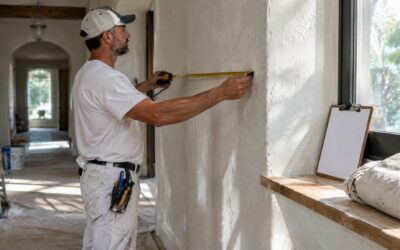
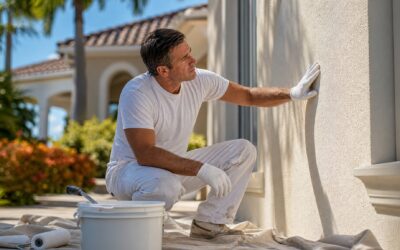
Start with the condition of the exterior rather than the product name. A home with faded but intact stucco may only need a premium acrylic paint system. A building with extensive hairline cracking across masonry walls may benefit from elastomeric coating after the cracks and substrate have been properly evaluated.
It also helps to consider the property’s exposure. A protected inland wall and a sun-baked, storm-facing wall near the coast do not face the same demands. Coastal humidity, salt air, intense ultraviolet exposure, and seasonal driving rain can all influence the coating specification.
Budget is part of the decision, but it should be viewed in terms of the full system. Elastomeric coating often costs more than conventional acrylic because of material volume and application requirements. If it is unnecessary for the surface, that added expense may not provide meaningful value. If it is the right solution for widespread hairline cracking, choosing a cheaper standard paint could lead to earlier maintenance.
A professional estimate should explain the surface condition, repairs needed, preparation included, product type, number of coats, and areas excluded from the scope. Clear details make it easier to compare proposals fairly and understand what is protecting your home.
A Coating Should Solve the Right Problem
The best exterior finish is not always the thickest one. It is the one that adheres correctly, manages the property’s exposure, fits the substrate, and is installed over sound preparation. For homeowners who are unsure which system their walls need, an on-site assessment can prevent an expensive guess.
With more than 15 years of local experience and 2,700-plus completed projects, Pro Painting & Associates helps Southwest Florida property owners evaluate exterior conditions before recommending a coating approach. A free, no-obligation estimate is a practical first step when cracks, fading, chalking, or weather wear are starting to show.