A fresh coat of paint can make a Venice home look newer in a matter of days. But in Southwest Florida, house painting is not just a cosmetic project. The right system protects siding, stucco, trim, drywall, and wood from intense sun, heavy rain, humidity, mildew, salt air, and seasonal storms.
That is why a paint job that looks excellent on day one can still fail early if the surface was not properly prepared or the coating was not chosen for local conditions. Whether you are preparing to sell, updating a seasonal property, or protecting the home you plan to enjoy for years, the details behind the finish matter.
House Painting Starts Long Before the First Coat
Paint needs a clean, sound, dry surface to bond correctly. Applying premium paint over peeling areas, chalky stucco, mildew, damaged caulk, or loose drywall does not solve the underlying problem. It only covers it temporarily.
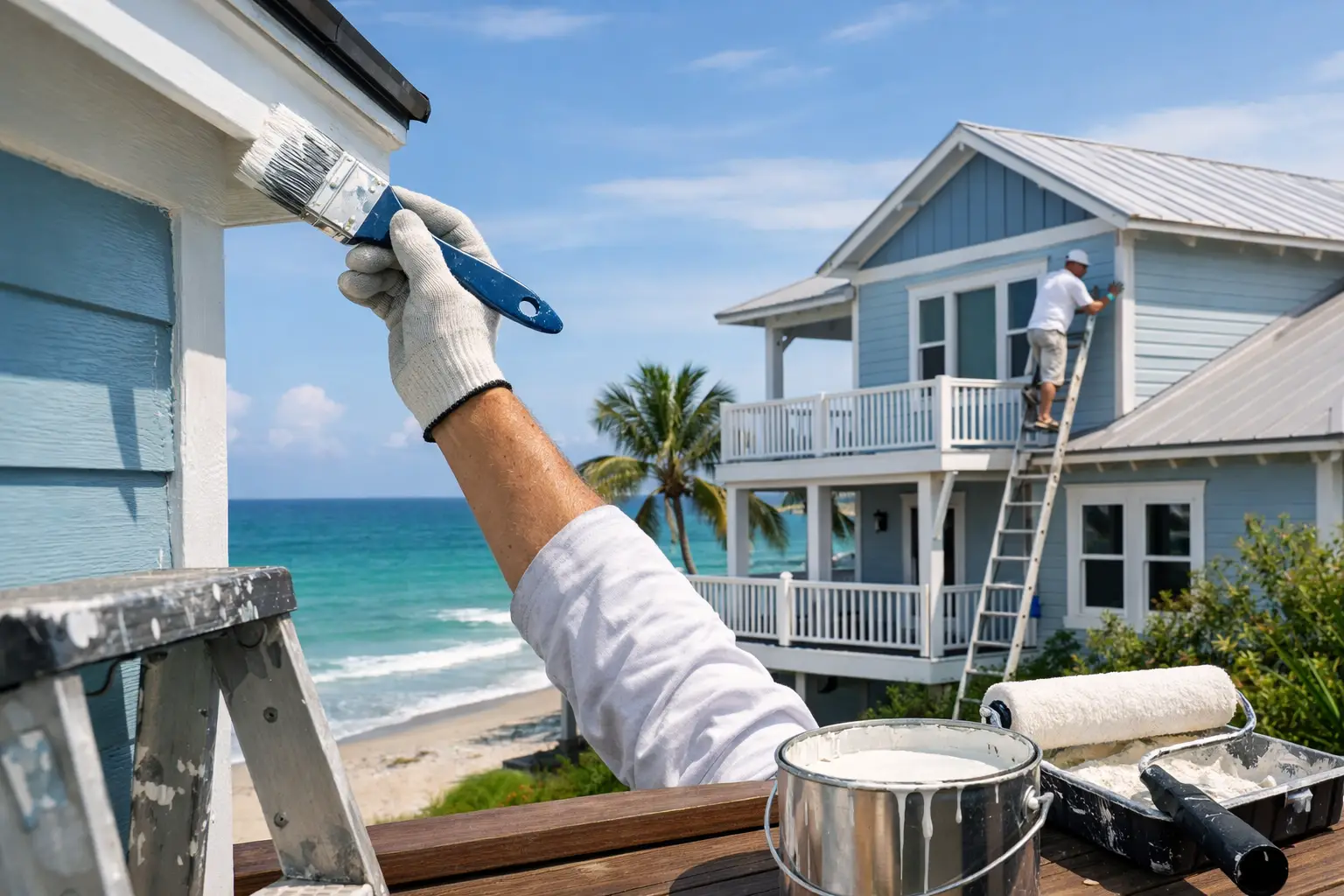
For exterior house painting, preparation often includes pressure washing, mildew treatment, scraping loose paint, sanding rough edges, repairing minor wood damage, patching cracks, sealing gaps, and spot-priming exposed areas. The specific steps depend on the home’s materials and condition. A concrete block home with stucco needs a different approach than a property with wood trim, fiber-cement siding, or a screened lanai.
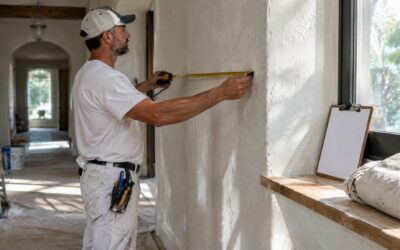
Inside, preparation may involve drywall repair, stain blocking, caulk replacement, sanding, and protecting floors, furniture, cabinets, and fixtures. Small imperfections become more visible after new paint is applied, especially on walls with direct Florida sunlight coming through large windows. Taking time to repair these issues before painting produces a cleaner, more consistent finish.
A detailed estimate should explain what preparation is included. This gives homeowners a clear understanding of the work, rather than leaving essential repairs as a surprise once the project has begun.
Florida Weather Changes the Painting Plan
Southwest Florida’s climate places unusual demands on exterior coatings. Strong ultraviolet exposure fades color and can break down lower-quality paint films. Humidity can slow drying, while sudden afternoon rain can affect a coating before it has had enough time to set. Coastal properties may also face salt exposure that accelerates wear on exterior surfaces.
A dependable painting plan accounts for these conditions before work begins. That includes checking the forecast, scheduling application around rain windows, confirming that surfaces are dry, and using products designed for heat, moisture, and UV exposure. Paint should not be selected on color alone. The sheen, formulation, primer, surface type, and expected exposure all affect long-term performance.
For example, a darker exterior color may create a dramatic look, but it can absorb more heat on a sun-facing wall. A flat finish can hide minor texture variations on stucco, while a satin or low-luster finish may be easier to clean in high-contact areas. There is no single best choice for every home. The right choice depends on the condition of the surface, the home’s architectural style, and how much maintenance the owner prefers.
Exterior Painting: Protection That Also Improves Curb Appeal
Faded paint, cracking caulk, peeling trim, and mildew streaks can make an otherwise well-maintained home appear neglected. More importantly, they can signal that moisture is finding its way into vulnerable areas.
Exterior painting should be viewed as part of routine property maintenance. A sound coating system helps shed water and protects materials from direct exposure. It cannot correct serious rot, structural movement, or active water intrusion, but it can provide an important protective layer once those concerns have been addressed.
Stucco deserves particular attention in Florida. Hairline cracks can be common, but they should be evaluated and repaired appropriately before paint is applied. Exterior trim, fascia, doors, soffits, and garage doors may weather differently than the main body of the house, so they often need their own preparation and coating approach.
Homeowners should also look beyond the main exterior walls. Decks, fences, railings, shutters, outdoor woodwork, and lanais can benefit from staining, sealing, or protective coatings. These areas receive constant exposure and can quickly lose their appearance without regular care.
Interior House Painting Makes Daily Living Feel Different
Interior painting is one of the most practical ways to update a home without taking on a major renovation. Fresh wall colors can brighten a dark room, make an open floor plan feel more cohesive, or give a newly purchased property a cleaner, more personal feel before move-in.
The best interior paint project begins with how the room is used. Kitchens, bathrooms, hallways, laundry rooms, and children’s spaces generally need washable finishes that hold up to frequent cleaning. Bedrooms and living areas may allow more flexibility, although humidity can still be a consideration in Florida homes.
Color selection also depends on lighting. A shade that looks warm and inviting in a showroom can look entirely different in a room with bright Gulf Coast sunlight, shaded windows, or cool-toned flooring. Testing samples on multiple walls and viewing them at different times of day can prevent an expensive disappointment.
Cabinet painting is another high-impact option for homeowners who want an updated kitchen or bathroom without replacing functional cabinetry. The process requires more than brushing paint over doors. Proper cleaning, sanding, priming, and durable finish coats are essential for cabinets that resist chips, fingerprints, and everyday wear.
What Separates a Lasting Paint Job From a Quick Cover-Up
Price matters, but the lowest estimate is not always the lowest cost over time. A quote may appear less expensive because it skips cleaning, repairs, primer, masking, quality materials, or sufficient coats. Those shortcuts can lead to peeling, uneven coverage, visible patchwork, and earlier repainting.
When comparing painting contractors, homeowners should ask what is included in the preparation process, which products will be used, how damaged areas will be handled, and how the crew will protect landscaping and indoor belongings. It is also reasonable to ask about licensing, insurance, local experience, and the final walkthrough process.
Clear communication is part of quality workmanship. You should know when the crew will arrive, which areas will be worked on, how long the project is expected to take, and who to contact with questions. Painting can be disruptive, especially for occupied homes, but a professional team can keep that disruption manageable through organized scheduling and clean job sites.
A Straightforward Process Reduces Stress
For most homeowners, the goal is not to become an expert in paint chemistry. It is to make a confident decision and have the work completed correctly. A well-run project generally follows four practical stages: an on-site consultation, a clear written estimate, thorough surface preparation and painting, then a final walkthrough to confirm the details meet expectations.
During the consultation, discuss more than color. Point out peeling areas, water stains, cracking caulk, soft wood, mildew, drywall damage, and previous repairs. If you are selling the property, mention your timeline. If you are a seasonal resident, explain when the home will be accessible. These details help shape a realistic plan.
At Pro Painting & Associates, more than 15 years of local experience and 2,700-plus completed projects have reinforced the same lesson: careful preparation and climate-appropriate coatings are what make a finish last. A polished final result is built through the work that happens before the final coat.
When Is the Right Time to Repaint?
There is no fixed schedule that applies to every Florida home. Paint life varies based on sun exposure, surface material, product quality, maintenance history, and proximity to the coast. However, peeling paint, fading color, chalky residue, cracked caulk, mildew that returns after cleaning, and exposed bare material are clear signs it is time to schedule an assessment.
Do not wait for minor wear to become widespread damage. Addressing isolated failures early is usually simpler and more cost-effective than waiting until extensive scraping, repairs, or replacement work is needed.
A free, no-obligation estimate can turn an uncertain painting project into a clear plan. Start with the condition of your home, choose materials that make sense for the Florida climate, and give the preparation work the attention it deserves. Your home will look better now and stay better protected through the seasons ahead.