A dated kitchen does not always need demolition to feel new again. A professional cabinet painting transformation can change the look of the room, brighten dark finishes, and give well-built cabinet boxes a second life for a fraction of the cost of replacement. For homeowners in Venice, Sarasota, Bradenton, and nearby Gulf Coast communities, the difference comes down to more than selecting a new color. It comes down to preparation, the right coating system, and a process that holds up to daily use and Florida’s heat and humidity.
When Cabinet Painting Is the Right Upgrade
Cabinet painting is often an excellent choice when cabinet boxes are structurally sound but the finish feels worn, yellowed, scratched, or out of style. Solid wood cabinets, properly prepared veneer, and many MDF cabinet doors can be painted successfully. It is a practical option for homeowners preparing to sell, updating a seasonal residence, or improving a kitchen or bathroom without the disruption and expense of a complete renovation.
The condition of the cabinets matters. Paint can refresh a tired finish, but it cannot correct major water damage, swollen particleboard, failing hinges, badly warped doors, or cabinets that no longer meet the household’s storage needs. In those situations, replacement or targeted repairs may be the smarter investment.
A consultation should begin with an honest look at the surfaces. Are the doors solid, are the frames stable, and is the existing finish still firmly bonded? The answers determine whether painting will deliver the value and durability you expect.
What Makes a Cabinet Painting Transformation Last
The finished color gets the attention, but the work beneath it determines how long the cabinets will look their best. Kitchen cabinets are touched constantly. They collect cooking residue, hand oils, moisture, and the occasional bump from a pan or chair. Bathrooms add humidity, while Southwest Florida homes can experience changing indoor conditions when seasonal residents arrive or leave.
A lasting finish starts with cleaning. Cabinets need more than a quick wipe-down. Grease, polish, silicone residue, and everyday buildup can interfere with adhesion even when the doors appear clean. After thorough cleaning, the surface is sanded or otherwise prepared to create the proper profile for primer.
Small details matter at this stage. Holes from old hardware can be filled, minor dents can be repaired, and loose hinges or misaligned doors can be addressed before paint goes on. Doors and drawer fronts are removed, labeled, and handled carefully so they return to the correct locations. Hardware is removed when possible rather than painted around, which creates a cleaner, more professional result.
Primer Is Not Optional
The primer must match the cabinet material and the existing coating. Wood, factory-finished cabinets, laminate, and previously painted surfaces can each require a different approach. A high-quality bonding primer helps prevent peeling and improves the uniformity of the topcoat, especially when changing from dark stained cabinets to a lighter painted color.
Skipping this step may save time initially, but it can lead to chipping around handles, doors that stick, uneven sheen, or paint that separates from the surface. That is not the kind of shortcut a homeowner should have to live with.
The Topcoat Needs to Handle Real Life
Wall paint is not designed for cabinet doors. Cabinet coatings need to cure into a hard, washable surface that resists scuffs, moisture, and repeated cleaning. Premium cabinet-grade products provide a smoother finish and better durability than standard interior paint, but they still need proper application and adequate cure time.
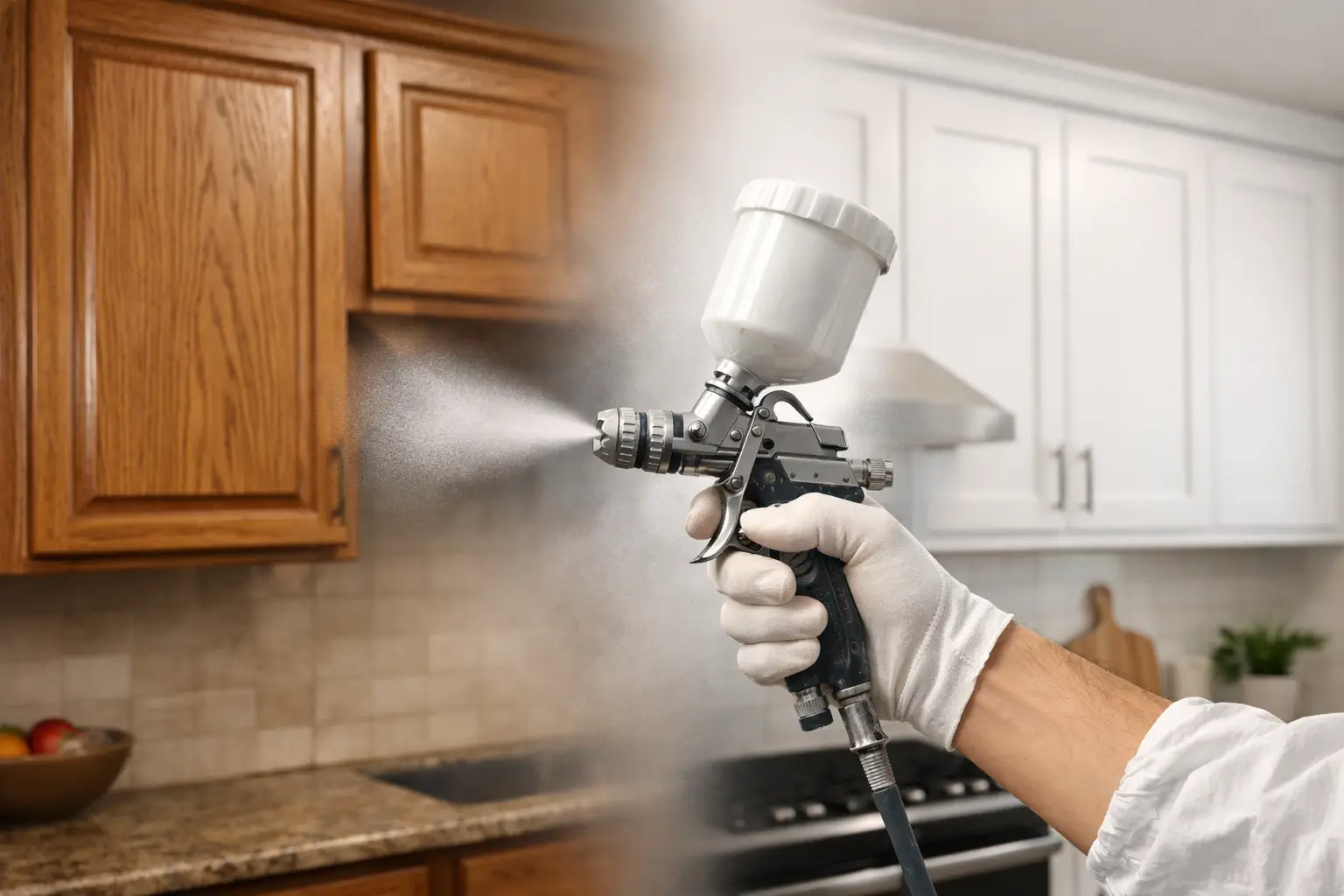
Spraying doors and drawer fronts usually creates the most even, furniture-like appearance. Frames and fixed areas may be sprayed, brushed, or rolled depending on site conditions, ventilation, containment needs, and the home’s layout. The right method is the one that protects the home while producing a consistent finish across all surfaces.
Color Choices That Work in Southwest Florida Homes
White remains popular because it makes kitchens feel open, clean, and bright. Soft warm whites can complement tile floors and traditional homes, while crisp whites support a more contemporary look. Greige, light taupe, muted sage, and soft blue-gray also work well when homeowners want color without making the room feel heavy.
For contrast, many homeowners choose lighter upper cabinets with a deeper color on the island or lower cabinets. Navy, charcoal, deep green, and black can create a polished focal point, particularly in kitchens with ample natural light. The trade-off is that darker finishes may show dust, fingerprints, and minor scratches more easily than mid-tone colors.
Before committing, consider fixed elements that are not changing: countertops, backsplash, flooring, appliances, and wall color. A cabinet color sample can look different under morning sun, warm overhead lighting, and evening lamps. Testing samples in the actual room is a simple step that prevents expensive second thoughts.
The Professional Process From Estimate to Final Walkthrough
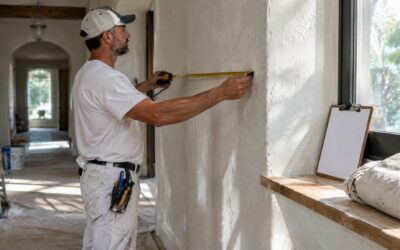
A dependable cabinet project should feel organized from the first visit. At Pro Painting & Associates, the process begins with a free, no-obligation estimate and a conversation about the cabinet material, current condition, desired color, finish level, hardware, and project timing. Upfront details help homeowners compare options with confidence.
Once the project is scheduled, the work area is protected before preparation begins. Floors, countertops, appliances, and nearby furnishings need careful masking and covering. Proper containment is especially important in occupied homes, where cleanliness and daily convenience matter just as much as the final result.
The preparation phase includes cleaning, sanding, repairs, caulking where appropriate, and priming. Doors and drawers are refinished in a controlled setup whenever possible, while cabinet frames are completed with attention to edges, corners, and areas around hinges. Multiple coats are applied according to product specifications, not rushed simply to shorten the calendar.
After reassembly, doors are adjusted, hardware is reinstalled, and the team reviews the work with the homeowner. A final walkthrough is the time to inspect the finish in normal lighting, confirm that doors operate properly, and make sure the space is left clean.
Timing, Disruption, and What to Expect
Most cabinet painting projects take several days, though the exact schedule depends on the number of doors and drawers, the condition of the cabinets, required repairs, drying conditions, and coating system. A kitchen may be partly usable during portions of the project, but homeowners should expect some temporary disruption while doors are removed and surfaces are prepared.
Dry-to-the-touch is not the same as fully cured. Cabinets should be handled gently during the first days after completion, and cleaners should be avoided until the coating has cured as directed. A professional painter will explain what is safe to do, when to reinstall shelf liners, and how long to wait before heavy use.
Humidity can affect drying and curing, which is one reason local experience matters. Florida’s climate calls for careful scheduling, appropriate ventilation, and products suited to interior conditions. The goal is not simply to finish fast. It is to finish correctly.
How to Protect Newly Painted Cabinets
Once cured, painted cabinets are straightforward to maintain. Clean them with a soft cloth, mild soap, and water as needed. Avoid abrasive pads, harsh degreasers, waxes, and aggressive solvents that can dull or damage the coating.
Use handles or pulls instead of gripping door edges whenever possible, and address cooking splatters promptly. If a chip occurs from a hard impact, a small professional touch-up can keep moisture from reaching the substrate and preserve the appearance of the finish.
A cabinet painting transformation is one of the most effective ways to make a familiar kitchen feel cared for again. With honest surface evaluation, meticulous preparation, and coatings selected for everyday Florida living, the result can feel like a renovation without taking on the cost and disruption of replacing cabinets that still have years of service ahead.