A freshly painted home can look excellent on day one and still fail far sooner than expected if the coating system is not built for Southwest Florida. Paint durability is not simply about selecting an attractive color or paying more for a premium can of paint. It depends on the condition of the surface, the preparation behind the finish, the product selected for the material, and the weather conditions during application.
For homeowners in Venice, Sarasota, Bradenton, Englewood, North Port, and nearby Gulf Coast communities, exterior paint works hard every day. It faces intense ultraviolet exposure, high humidity, wind-driven rain, seasonal storms, mildew growth, and, in coastal areas, salt in the air. The right paint job protects siding, stucco, trim, soffits, decks, and other surfaces while keeping the property clean and well cared for.
What Determines Paint Durability?
A durable finish is a complete system, not a single product. Even the best exterior coating can peel or blister when it is applied over chalky paint, damp wood, mildew, or loose material. Conversely, a properly prepared surface with a coating suited to the local climate can provide years of reliable protection.
The biggest factors are surface preparation, product quality, application conditions, and maintenance. Each one affects adhesion, which is the coating’s ability to stay firmly attached to the surface underneath. When adhesion is strong, paint is better equipped to resist moisture intrusion, cracking, fading, and peeling.
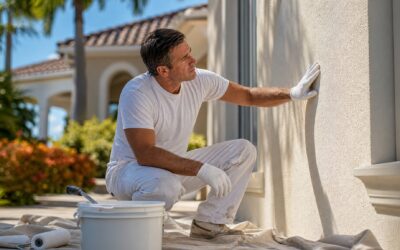
Florida homes also have different needs based on construction. Stucco may develop hairline cracks that need repair before painting. Wood trim can swell, split, or rot when moisture reaches unprotected areas. Fiber-cement siding, aluminum, vinyl, masonry, and previously painted surfaces all require the right cleaning methods, primers, and coatings. A one-size-fits-all approach is rarely the most durable one.
Preparation Is Where Long-Lasting Results Begin
The visible paint is the final layer of the project, but preparation determines much of its lifespan. Exterior surfaces collect dirt, pollen, salt residue, mildew, chalking paint, and airborne contaminants. These materials can prevent new paint from bonding correctly.
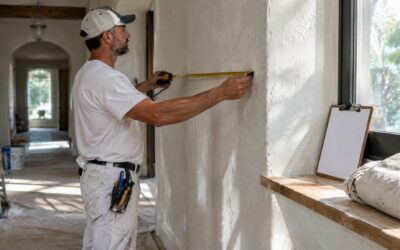
A professional preparation process often begins with appropriate pressure washing or hand cleaning. The goal is not to force water behind siding or into vulnerable gaps. It is to remove contaminants safely, then allow the surface to dry thoroughly. In humid conditions, proper dry time matters. Painting over a surface that still holds moisture can lead to blistering, peeling, or early failure.
Loose or flaking paint should be scraped and sanded until the edges are smooth and sound. Cracks, nail holes, damaged caulk, and minor wood defects need attention before a finish coat goes on. On stucco, small cracks should be sealed or repaired to help keep rainwater out. On wood, bare areas often need primer before topcoats are applied.
Why Primers Matter
Primer is not always necessary over a sound, compatible painted surface, but it is essential in many situations. Bare wood, repaired drywall, stained areas, metal, weathered surfaces, and dramatic color changes may all require a primer designed for that specific condition.
The right primer improves adhesion, helps create an even finish, and can block stains from bleeding through. Skipping primer to save time may be tempting, but it can compromise paint durability where the surface needs extra protection most.
Choose Coatings for Florida Weather, Not Just Color
Premium paints cost more upfront because they typically contain higher-quality resins, pigments, and additives. Those ingredients help the coating flex with temperature changes, resist fading, shed moisture, and hold up against repeated cleaning. For an exterior in Southwest Florida, those benefits are practical rather than cosmetic.
A quality acrylic exterior paint is often a strong choice for stucco, siding, and trim because it offers good adhesion and flexibility. Elastomeric coatings can be useful on some masonry surfaces where hairline cracking and water resistance are major concerns. However, they are not the best answer for every exterior. The substrate condition, existing paint, and drainage issues must be evaluated first.
Sheen also affects performance. Flat paint can help hide surface imperfections on stucco, while satin or low-luster finishes can offer easier cleaning and stronger moisture resistance on trim and siding. Higher-gloss finishes are commonly used on doors and select trim because they stand up well to handling, but they can reveal flaws in the surface if preparation is rushed.
For interior spaces, durability often means washability and resistance to scuffs, moisture, and stains. Kitchens, bathrooms, hallways, laundry rooms, and high-traffic living areas may benefit from more washable finishes. Cabinet painting requires an especially durable coating system because cabinet doors and drawers receive constant contact. Proper cleaning, sanding, priming, and controlled application are critical for a finish that resists chipping.
Timing Can Affect the Life of a Paint Job
Florida weather is not a minor scheduling detail. Rain, humidity, surface temperature, and direct sun all affect how paint dries and cures. Drying is when the coating feels dry to the touch. Curing is the longer process in which it develops its full hardness and durability.
Applying paint immediately before rain can wash it away, leave marks, or interfere with adhesion. Painting in excessive humidity can slow drying and trap moisture. Applying paint to a hot surface in direct sun may cause it to dry too quickly, leading to lap marks, poor flow, or reduced bonding.
Experienced painters monitor forecasts and plan work around the conditions. That may mean painting one side of a home in the morning and another later in the day, rather than treating the entire exterior the same way. It can also mean postponing a coating application when the weather does not support a lasting result. A short delay is usually better than a finish that needs premature repair.
Common Reasons Exterior Paint Fails Early
Peeling paint is often blamed on the topcoat, but the cause is frequently beneath it. Moisture entering through failed caulk, damaged trim, roof leaks, or unsealed cracks can push paint away from the surface. Mildew can return quickly when it is painted over instead of properly cleaned and treated. Chalking, where old paint leaves a powdery residue, can also prevent new coatings from adhering.
Fading is another common concern in Florida. Dark, bright, and highly saturated colors may absorb more heat and show ultraviolet fading more quickly than lighter, more stable shades. This does not mean homeowners must avoid bold colors. It means color choice should be considered alongside the building’s sun exposure and the quality of the selected coating.
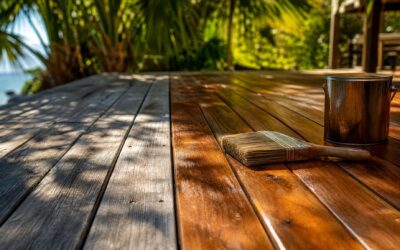
Decks and exterior wood need their own approach. Horizontal surfaces receive direct sun, rain, foot traffic, and standing moisture, so they often require more frequent maintenance than walls or trim. A solid stain, semi-transparent stain, or protective coating should be selected based on the wood’s condition, desired appearance, and ability to shed water. If wood is soft, splintered, or holding moisture, coating it without correction will not create a durable result.
Protect Your Paint Between Professional Services
Routine care helps extend the life of an exterior coating. Homeowners do not need to pressure wash aggressively every season, and excessive pressure can damage paint or drive water into gaps. A gentle rinse, light cleaning where mildew appears, and prompt attention to damaged caulk or exposed wood can make a meaningful difference.
Walk around the property a few times each year, especially after storm season. Look for peeling near windows, cracks in stucco, soft wood, discoloration, failing sealant, and areas where landscaping holds moisture against the home. Trim plants back from painted surfaces to improve airflow and reduce constant contact with wet leaves or branches.
Inside the home, clean painted walls with mild soap and a soft cloth rather than abrasive pads. Use exhaust fans in bathrooms and kitchens to manage moisture, and address leaks quickly. For painted cabinets, avoid harsh cleaners that can dull or weaken the finish over time.
When It Is Time to Repaint
There is no single repainting schedule for every Florida home. A protected exterior with quality preparation and premium paint may last considerably longer than an exposed waterfront property or a home with extensive wood trim. South- and west-facing walls often fade and weather first because they receive more direct sunlight.
The best time to plan a repaint is before widespread peeling, bare substrate, or water damage appears. Early maintenance can limit repairs and preserve the materials beneath the paint. During a free, no-obligation estimate, a qualified contractor should evaluate the existing coating, identify moisture or surface concerns, explain the preparation required, and provide clear pricing before work begins.
With more than 15 years of local experience and 2,700-plus completed projects, Pro Painting & Associates helps Southwest Florida property owners choose paint systems that fit their home, its materials, and its exposure to the elements. The goal is not simply a fresh color. It is a carefully prepared finish that continues to protect the property after the final walkthrough.
A lasting paint job begins with an honest look at the surface beneath it. Addressing small cracks, failing caulk, moisture concerns, and worn areas now gives your next coating the foundation it needs to perform when Florida weather is at its toughest.