A paint blister is more than a cosmetic bump. It is a warning that the paint film has lost its bond with the surface beneath it. In Southwest Florida, common paint blister causes include trapped moisture, intense sun, poor surface preparation, and paint applied in the wrong conditions. Left alone, small bubbles can break open, peel away, and expose wood, stucco, drywall, or metal to further damage.
For homeowners in Venice, Sarasota, Bradenton, and nearby coastal communities, identifying the cause before repainting is the difference between a lasting finish and a problem that returns after the next wet season.
What Is a Paint Blister?
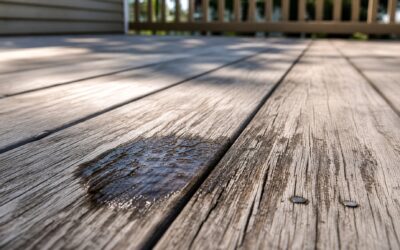
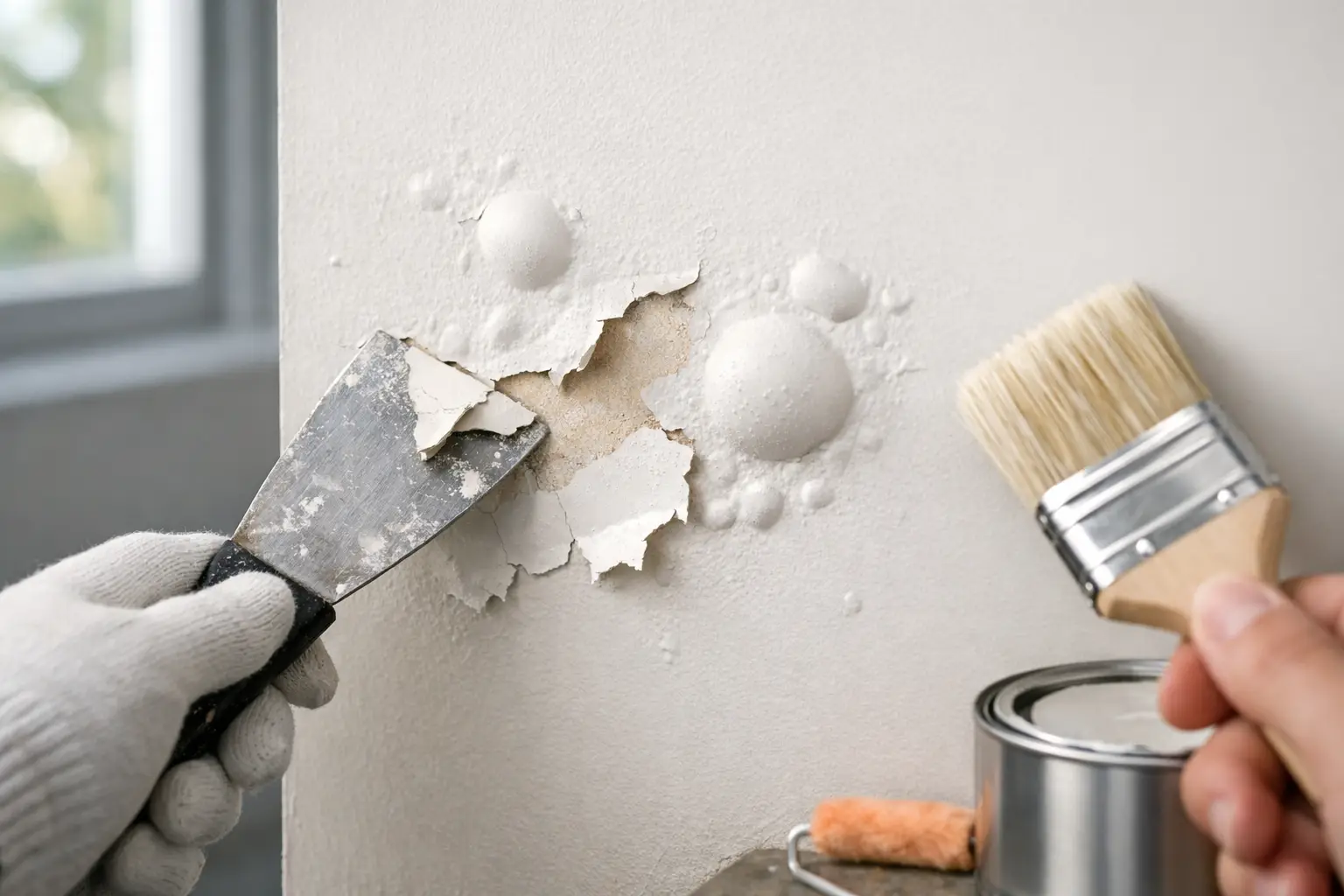
Blistering occurs when sections of paint lift away from the surface and form raised bubbles. Some blisters feel soft or contain moisture. Others are dry, firm, and may appear after a period of high heat or direct sun exposure.
The location of the blister provides useful clues. Blisters on exterior siding, trim, soffits, and doors often point to moisture intrusion or heat stress. On interior walls and ceilings, they may signal a plumbing leak, condensation issue, or high humidity in a bathroom, laundry room, or kitchen. Paint bubbling on cabinets can result from moisture, grease, poor cleaning, or an incompatible coating system.
A blister is not always a reason to panic, but it should not be painted over without investigation. New paint cannot correct a failing surface underneath.
The Most Common Paint Blister Causes
Moisture behind the paint
Moisture is one of the leading causes of paint blisters in Florida. Water can enter exterior walls through failed caulk, roof leaks, damaged flashing, open joints, worn window seals, or cracks in stucco. It may also come from the inside of a home, especially when humid indoor air moves through poorly sealed wall areas.
Once moisture becomes trapped behind paint, heat from the sun can turn it into vapor. That vapor expands and pushes the coating away from the surface, creating a bubble. This is especially common on walls that receive strong afternoon sun after a rainstorm.
On interior surfaces, look beyond the paint. A yellow or brown stain, soft drywall, recurring blistering in one spot, or a musty odor may indicate an active leak. Repainting before the moisture source is repaired will only delay the problem.
Direct heat and Florida sun exposure
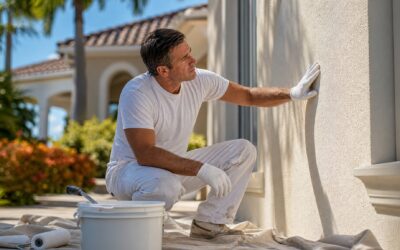
Florida’s heat and ultraviolet exposure are hard on exterior coatings. Dark colors, south-facing walls, metal doors, and surfaces with little shade can become extremely hot. If paint is applied to a hot surface, it can dry too quickly at the top before the underlying layer has time to release solvents or moisture properly. The result can be blisters shortly after application.
Heat can also worsen an existing moisture problem. A wall with even a small amount of trapped water may look fine in the morning and develop bubbles after several hours of direct sun.
This does not mean exterior painting is impossible during warm weather. It means the project needs proper scheduling, product selection, and attention to surface temperature, not just the temperature reported in the forecast.
Inadequate cleaning and surface preparation
Paint needs a clean, stable surface to adhere correctly. Dirt, chalking residue, mildew, salt air deposits, loose old paint, oxidation, and pressure-washing residue can interfere with that bond. This is a frequent issue on Gulf Coast homes, where exterior surfaces are exposed to humidity, wind-driven rain, and airborne salt.
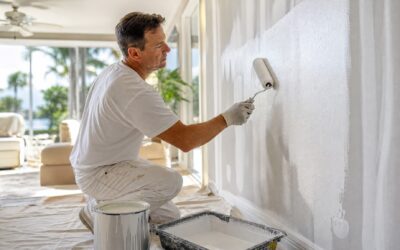
Preparation may include pressure washing, mildew treatment, scraping loose paint, sanding rough edges, repairing damaged areas, caulking gaps, and applying the correct primer. Each step has a purpose. Skipping one can leave a weak layer beneath an otherwise high-quality topcoat.
For example, painting directly over chalky stucco can cause the new coating to release from the wall. Painting over mildew may trap contamination under the paint film. Both conditions can lead to blistering, peeling, or uneven wear.
Painting in poor weather conditions
Exterior paint has manufacturer-specific requirements for air temperature, surface temperature, humidity, and rain exposure. In Southwest Florida, a clear morning can become a humid afternoon or a fast-moving storm day. Applying paint when the substrate is damp, when humidity is excessive, or when rain is expected too soon can trap moisture and compromise adhesion.
Painting too late in the day can create problems as well. As evening humidity rises and temperatures drop, condensation may form on a surface before the coating has cured. On wood, this can be particularly damaging because wood absorbs and releases moisture as conditions change.
A professional crew plans around these conditions, allows adequate drying time after washing or rain, and adjusts the work sequence to protect the finish.
Coating incompatibility or overly thick paint
Not every paint product is compatible with every surface or previous coating. Applying a new coating over an unstable oil-based layer, a glossy surface that was not properly sanded, or a coating with poor adhesion can cause failure between layers. In some cases, the top layer appears to blister while the problem is actually the old paint below it.
Applying paint too thickly can also create issues. Heavy coats may skin over before the lower portion dries, trapping solvents or moisture. Multiple thin, even coats usually provide better adhesion and durability than one heavy coat.
Primer matters here, too. Bare wood, repaired drywall, stained surfaces, metal, masonry, and previously coated cabinets may each require a different primer or bonding product. The right system depends on the surface condition, not simply the color being applied.
How to Tell Whether the Problem Is Moisture or Heat
The distinction matters because the repair approach changes. Moisture-related blisters are often concentrated near windows, rooflines, plumbing walls, exterior joints, or areas with visible staining. When opened, they may reveal dampness, soft material, mildew, or bare substrate.
Heat-related blisters are more likely to appear on sun-facing surfaces, often without visible water staining. They may occur across broad sections of a wall, door, or trim board where the surface becomes hot. However, heat and moisture often work together, so a close inspection is still necessary.
If blisters recur in the same place after repainting, assume there is an unresolved condition beneath the paint until proven otherwise. This is particularly true for ceilings, exterior wood trim, and walls near windows or doors.
The Right Way to Repair Blistering Paint
The repair begins with finding and correcting the source of failure. If there is a roof, plumbing, caulking, flashing, or drainage issue, that work should happen first. Exterior vegetation may also need to be trimmed back if it keeps a wall damp or prevents airflow.
After the affected area is fully dry, failed paint should be scraped or sanded away to a stable edge. The underlying surface needs inspection for rot, deteriorated drywall, cracked stucco, corrosion, or mildew. Repairs should be completed before primer is applied.
For minor isolated blisters, careful spot repair may be appropriate. For widespread blistering, a larger preparation and repainting plan is usually the better investment. A patchwork approach can leave weak paint around the repaired area, causing new failures later.
The final coating system should match the material and the local environment. Quality exterior paints, properly selected primers, and adequate dry time help protect against UV exposure, humidity, seasonal storms, and coastal conditions. Premium products are valuable, but they perform best when the surface preparation is equally thorough.
When to Call a Professional Painter
A few small bubbles on a recently painted wall may be manageable if the cause is obvious and the surface is otherwise sound. But professional evaluation is wise when blistering covers a large area, returns after repainting, appears near a roofline or window, affects stucco or wood trim, or comes with staining, mildew, or soft drywall.
An experienced local painting contractor can assess whether the issue is a coating failure, a moisture problem, or a combination of both. At Pro Painting & Associates, the focus is not simply on covering the damaged area. Proper preparation, repair recommendations, and climate-appropriate coatings help create a finish built for Florida conditions.
If paint is blistering on your home, address it while the affected area is still manageable. A careful inspection and the right repair plan can protect the surface underneath and help your next paint job stay smooth, clean, and durable for years to come.