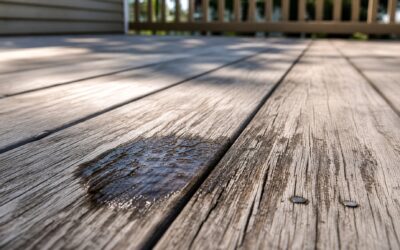
A wood deck can look perfectly sound in March and show gray boards, dark mildew spots, raised grain, or peeling stain after one Southwest Florida summer. The best ways to protect exterior wood are not limited to applying a fresh coat when it starts looking tired. Long-lasting results come from controlling moisture, blocking ultraviolet exposure, preparing the surface correctly, and maintaining the finish before damage reaches the wood itself.
For homeowners in Venice, Sarasota, Bradenton, and nearby coastal communities, exterior wood works harder than it would in a milder climate. Intense sun dries and fades finishes. Humid air feeds mildew. Wind-driven rain pushes water into joints and end grain. A protective plan needs to account for all of it.
Why Florida Exterior Wood Needs More Than a Quick Coat
Exterior wood is constantly moving. It absorbs moisture during rainy periods, expands, then dries and contracts under strong sun and heat. This cycle can crack paint, loosen stain, and open small pathways for water. Once moisture gets beneath a failing finish, peeling and rot can follow.
Deck boards, railings, fascia, shutters, pergolas, fences, trim, and wood siding do not all need the same product. A shaded fence may struggle most with mildew, while a sun-facing deck needs stronger UV resistance and a finish that tolerates foot traffic. The right approach depends on the wood species, its current condition, its location, and whether you want a painted or stained appearance.
A good protective coating helps, but it cannot make up for wet wood, loose old paint, unsealed end grain, or deteriorated boards. Preparation is where the durability of the finished project is decided.
Best Ways to Protect Exterior Wood Before It Deteriorates
Keep water from sitting on the surface
Standing water is one of wood’s biggest enemies. On decks, clear leaves, planters, furniture, and debris that trap moisture against boards. Make sure gaps between deck boards can drain and that nearby gutters, downspouts, and sprinklers are not repeatedly soaking trim, fences, or siding.
Pay close attention to horizontal surfaces and cut ends. The end grain of a board absorbs water far more readily than its face. Fresh cuts, exposed board ends, stair treads, handrails, and the bottoms of posts should be sealed as part of the coating process. If a post sits directly in soil or remains wet at its base, even a quality finish will have a limited service life.
Clean mildew without damaging the wood
In Florida, black or green staining is often mildew or algae rather than ordinary dirt. Leaving it in place can shorten the life of a coating and make a new finish look blotchy. Cleaning should remove contaminants without scarring the wood fibers.
Pressure washing can be useful, but excessive pressure or a narrow tip can gouge soft wood and raise the grain. It can also force water into seams and behind trim. Use an appropriate exterior cleaner, controlled pressure, and enough drying time before staining or painting. Wood that feels dry at the surface may still hold moisture below it, especially after a humid week or afternoon rain.
For weathered surfaces, cleaning is often followed by light sanding. Sanding smooths lifted fibers, removes weak edges of old coating, and gives primer or stain a more uniform surface to bond to.
Repair the substrate, not just the appearance
A coating should never be used to hide soft, cracked, or rotted wood. Probe suspicious areas around window trim, fascia, deck steps, railings, and fastener holes. Wood that feels spongy, flakes apart, or stays dark after dry weather may need repair or replacement.
Small checks and nail holes can often be filled with a compatible exterior wood filler or sealant. Larger gaps at joints may need flexible exterior-grade caulk. The goal is to keep water out while allowing normal movement. Avoid sealing drainage paths or using an interior filler that cannot tolerate heat, rain, and expansion.
This step also improves the final appearance. Paint applied over sound, properly repaired wood lays flatter and stays cleaner at edges. Stain looks more even when damaged fibers and loose material have been addressed first.
Choose paint, solid stain, or penetrating stain for the job
There is no single best coating for every piece of exterior wood. The finish should match the material and the maintenance level you prefer.
Paint creates an opaque film that offers strong UV protection and broad color options. It is often a practical choice for exterior trim, fascia, shutters, and siding, particularly when boards have been repaired or color consistency matters. Paint requires a suitable primer on bare wood or areas where the previous coating has failed. If moisture gets behind a film-forming paint system, it can peel, so surface preparation and sealing vulnerable areas are essential.
Solid-color stain has a painted look but is commonly used on decks, fences, and rougher wood surfaces. It can be a good middle ground when homeowners want substantial color coverage without highlighting every board variation. Like paint, it can eventually peel if applied over poor preparation or damp wood.
Semi-transparent and transparent penetrating stains show more natural wood grain. They are popular for newer decks, pergolas, and attractive wood species. Because they soak into the wood instead of building a thick surface film, they usually wear away more gradually than paint. The trade-off is that they provide less color coverage and often need more frequent renewal in full sun.
For high-exposure surfaces, choose a premium exterior product designed for UV resistance, moisture protection, and mildew resistance. Read product specifications carefully. A coating made for vertical siding may not be durable enough for a deck that receives daily foot traffic.
The Preparation Steps That Make Coatings Last
A professional-looking finish begins well before the first coat. First, inspect the wood for failed coating, rot, loose fasteners, stains, and moisture sources. Next, clean the surface and allow it to dry fully. Then scrape peeling material, sand rough areas and feathered paint edges, make repairs, and protect nearby landscaping, windows, and hardscapes.
Bare wood and spot repairs often need primer before paint. Primers improve adhesion, help block tannin bleed on certain woods, and create a more consistent finish. On a deck or fence receiving stain, the surface may instead need a wood brightener or conditioner, depending on the product system and wood condition.
Application conditions matter as much as the product. Avoid coating wood when rain is expected before the product can cure, when the surface is hot from direct sun, or when humidity is unusually high. Florida weather can change quickly, which is why experienced painters plan around forecast windows rather than treating weather as an afterthought.
Apply the recommended number of coats at the correct spread rate. Stretching a product too thin may save material in the moment, but it weakens the protective barrier. Applying it too heavily can create uneven drying, tackiness, or premature failure.
Maintain Exterior Wood on a Simple Schedule
Protective finishes do not last forever, especially near the Gulf Coast. A short inspection twice a year can prevent a manageable maintenance job from turning into replacement work. Spring and fall are practical times to look over decks, trim, fences, and shutters.
Watch for these signs that wood needs attention:
- Fading or graying color on sun-exposed areas
- Mildew spots that return soon after cleaning
- Peeling, blistering, or cracking paint or solid stain
- Raised grain, splinters, soft spots, or darkened board ends
- Open joints, failed caulk, and exposed bare wood
Clean exterior wood periodically with a mild, appropriate cleaner. Keep shrubs and vines from holding moisture against siding or fences, and trim branches that scrape coating surfaces. Move deck furniture occasionally so the same areas are not continuously shaded and damp.
Do not wait for widespread peeling to schedule maintenance. A light cleaning and maintenance coat on a sound surface is generally more straightforward and cost-effective than stripping failed coatings, repairing rot, and starting over.
When Professional Preparation Is Worth It
Many homeowners can handle basic cleaning and seasonal inspections. Professional help is especially valuable when wood has extensive peeling, prior coatings of unknown type, high or hard-to-reach trim, visible rot, large decks, or a tight weather window before selling a property or welcoming seasonal guests.
A detailed estimate should identify the condition of the wood, needed repairs, preparation steps, coating system, and areas included in the project. Clear expectations matter because exterior wood protection is not simply a matter of choosing a color. It is a system of cleaning, repair, primer or stain selection, careful application, and proper curing.
With more than 15 years of local experience and 2,700-plus completed projects, Pro Painting & Associates helps Southwest Florida property owners make practical choices for decks, trim, fences, and other exterior wood features. The focus is on thorough preparation and premium coating systems suited to heat, humidity, UV exposure, and seasonal storms.
If your exterior wood is beginning to fade, grow mildew, or show exposed bare areas, address it while the repair is still small. A free, no-obligation estimate can give you a clear path forward, protect the materials you already own, and help your home stay ready for the next Florida season.