A wood deck can look rich and inviting after a fresh stain, then turn gray, blotchy, or mildew-streaked faster than expected under Southwest Florida conditions. Protective wood finishes are not simply a cosmetic upgrade. They are the barrier that helps decks, fences, doors, railings, soffits, and exterior trim withstand punishing sun, heavy moisture, wind-driven rain, and daily use.
For homeowners in Venice, Sarasota, Bradenton, and surrounding Gulf Coast communities, choosing the right finish starts with understanding what the wood needs to resist. A finish that looks great in a cooler, drier climate may not hold up well through a Florida summer. The right product, applied over properly prepared wood, can preserve the material, improve curb appeal, and reduce the risk of costly repairs later.
Why Florida Wood Needs Extra Protection
Unprotected wood absorbs and releases moisture as humidity and rain levels change. That repeated expansion and contraction can lead to cracking, cupping, splitting, and peeling finishes. Add strong ultraviolet exposure, and the wood’s natural color fades while coatings become dry and brittle.
Mildew is another frequent concern. Shade, landscaping, coastal moisture, and limited air circulation create the conditions mildew needs to grow, especially on north-facing surfaces and shaded decks. A quality coating system will not eliminate every maintenance need, but it can make the surface easier to clean and help slow moisture-related deterioration.
Salt air can also affect properties near the coast. While salt is most often associated with metal corrosion, it can leave residue on painted and stained surfaces, hold moisture in place, and shorten the life of a neglected finish. Regular cleaning and a finish designed for exterior exposure make a measurable difference.
Types of Protective Wood Finishes
The best protective wood finish depends on the species and condition of the wood, its location, the amount of foot traffic it receives, and the look you want. There is no single product that is right for every surface.
Penetrating Oil Stains
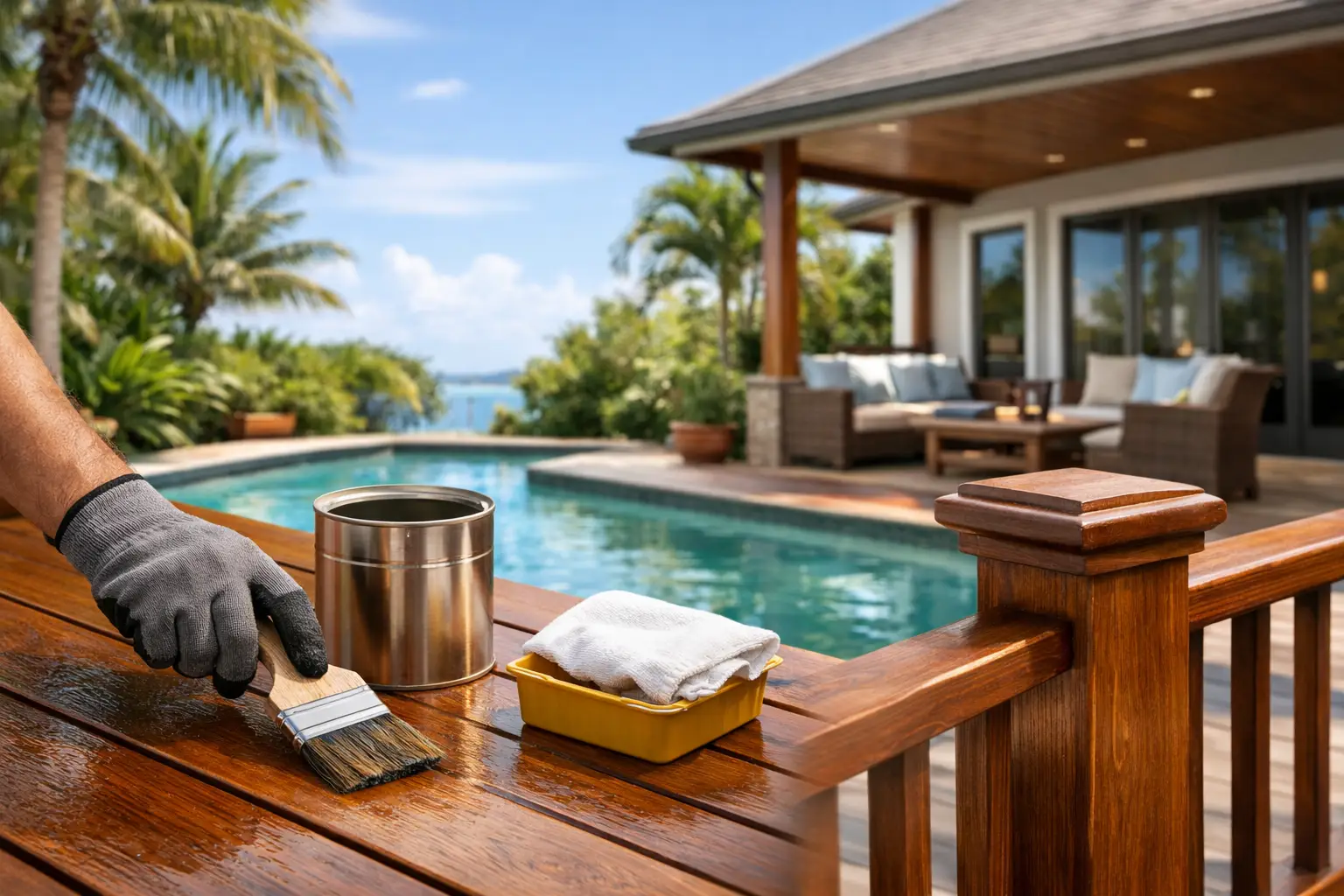
Penetrating stains soak into the wood rather than creating a thick film on top. They are a practical choice for many decks, fences, and exterior structures because they allow the wood grain to remain visible and are less likely to peel than a surface coating.
Semi-transparent versions add color while keeping much of the natural grain in view. Transparent finishes provide less pigment and therefore less UV defense, so they may require more frequent maintenance in sunny locations. Solid-color stains offer stronger color coverage and additional sun protection, but they conceal more of the grain.
Oil-based penetrating stains can perform well on weathered exterior wood when the surface is dry and properly prepared. They tend to be forgiving during maintenance because recoating often does not require stripping a heavy film. However, they still need periodic cleaning and renewal, particularly on horizontal surfaces exposed to direct sunlight.
Water-Based Stains and Sealers
Water-based products have improved considerably and can offer good color retention, mildew resistance, and lower odor during application. They often dry faster than oil-based products, which can be useful when weather windows are limited.
The trade-off is that fast drying can make application more demanding. On large surfaces, uneven absorption or lap marks may show if the product is not applied carefully. Water-based finishes also need the right surface moisture level and a compatible preparation process to achieve dependable adhesion.
Clear Sealers
Clear water-repellent sealers can help protect wood from rain and moisture while preserving a very natural appearance. They are most useful when homeowners want minimal color change on newer wood, decorative details, or wood with an attractive natural tone.
The limitation is UV protection. Clear finishes contain little or no pigment, and pigment is what helps block sunlight. In full Florida sun, a clear sealer may not prevent graying for long. It is often better suited to covered areas or as part of a regular maintenance routine rather than a long-term solution for exposed deck boards.
Exterior Paint and Opaque Coatings
Paint provides the most complete color coverage and can offer strong protection against ultraviolet exposure when paired with the correct primer and topcoat. It is often a smart choice for exterior trim, fascia, railings, shutters, and older wood with repairs or uneven coloration.
Paint is not always the best answer for a walking deck surface. If moisture gets underneath a painted deck coating, peeling can follow. The substrate, drainage, board spacing, and previous coatings all need to be evaluated first. For exterior trim and vertical wood, however, a professionally prepared paint system is often the most durable and polished option.
Choosing Protective Wood Finishes by Surface
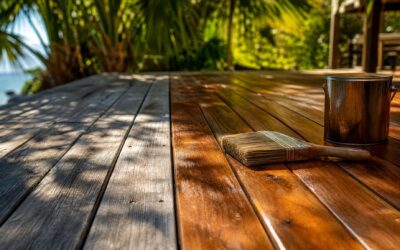
Decks need a finish that handles foot traffic, standing water, and direct sun. A penetrating deck stain is frequently the preferred option because it does not form a thick, peel-prone layer. The best opacity depends on the deck’s exposure and the homeowner’s preference for visible grain.
Fences usually benefit from a stain or sealer that protects both sides where accessible. Since fences often have less foot traffic but substantial sun and rain exposure, a semi-transparent or solid stain can provide an attractive balance of protection and appearance.
Exterior doors require special attention to all edges, including the top and bottom. These areas are commonly missed, yet they are prime entry points for moisture. Clear finishes can look beautiful on a protected entry door, while painted or stained systems may be more practical for doors exposed to strong afternoon sun and rain.
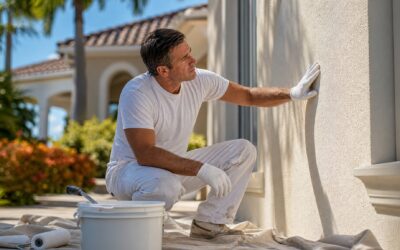
Trim, fascia, and soffits commonly receive an exterior primer and premium paint system. Because these components protect the structure itself, proper caulking, spot repairs, priming of bare wood, and careful sealing around joints matter as much as the finish coat.
Preparation Determines How Long the Finish Lasts
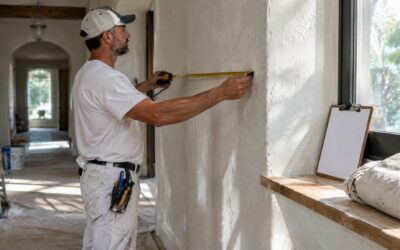
Even premium protective wood finishes cannot compensate for poor preparation. Before staining, sealing, or painting, the wood should be inspected for rot, loose fasteners, cracked boards, failed caulk, and areas where water pools. Coating damaged wood without making repairs only hides the issue temporarily.
Cleaning is essential. Dirt, pollen, chalky residue, mildew, and old loose coating interfere with adhesion. Pressure washing can be effective, but it must be done with the correct pressure and technique. Too much pressure can scar soft wood fibers, force water deep into the surface, and create a fuzzy texture that needs additional sanding.
After cleaning, the wood needs adequate drying time. Florida humidity makes this step especially important. Applying stain or paint to damp wood can trap moisture and lead to premature failure. A professional should check the surface condition, weather forecast, and product requirements before scheduling application.
Sanding helps remove loose material, smooth raised grain, and create a more uniform surface. Bare spots, knots, repaired sections, and end grain may require targeted primer or additional sealing. For painted wood, compatible primers are critical because they help block stains, improve adhesion, and create an even finish.
A Realistic Maintenance Plan
No exterior coating is permanent in Gulf Coast weather. A maintenance plan keeps a small problem from becoming a replacement project. Homeowners should inspect exterior wood at least twice a year, ideally after the wet season and again before seasonal storms become more frequent.
Watch for fading, water that no longer beads on the surface, mildew growth, soft spots, cracks, peeling edges, and exposed bare wood. Gently clean surfaces as needed with an appropriate exterior cleaner. Avoid harsh scrubbing or aggressive pressure washing that removes healthy finish along with dirt.
Horizontal wood surfaces usually need attention sooner than vertical ones. A deck in full sun may need cleaning and recoating more often than a covered porch or shaded fence. Trees, sprinklers, drainage, and nearby salt exposure can also change the maintenance schedule.
When Professional Application Makes Sense
Exterior wood projects can appear straightforward, but product selection and preparation errors are expensive to correct. If the wood has peeling coatings, visible rot, extensive mildew, uncertain previous products, or large areas of sun damage, a professional assessment can save time and prevent a finish from failing early.
Pro Painting & Associates brings more than 15 years of local experience to wood staining, deck painting, surface preparation, and protective coating work across Southwest Florida. The process begins with a clear evaluation of the wood, its exposure, needed repairs, and the finish that best fits the surface, followed by careful preparation and a clean final walkthrough.
A well-chosen finish should make your exterior wood easier to maintain, not turn it into a recurring frustration. If you notice fading, peeling, mildew, or water soaking into the surface, scheduling a free, no-obligation estimate before the damage spreads is a practical next step.