
A buyer can overlook an older light fixture or a dated bathroom vanity. It is much harder to overlook a living room painted deep red, a faded exterior, or cabinets with a yellowed finish. The right paint colors for home resale help buyers picture an easier move, a well-maintained property, and a home they can make their own without adding another project to the list.
For sellers in Venice, Sarasota, Bradenton, and nearby Gulf Coast communities, color selection is about more than following a national trend. A color has to work with strong Florida sunlight, sandy landscaping, tile floors, coastal architecture, and the photos that introduce a listing online. Just as importantly, the paint system must hold up against humidity, ultraviolet exposure, and mildew risk through showings and beyond.
Why Paint Color Has Such a Strong Effect on Resale
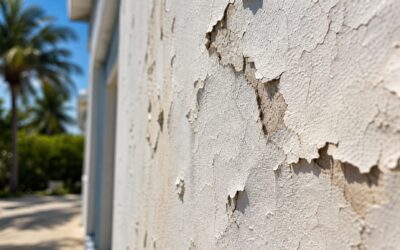
Fresh paint is one of the most visible resale improvements because it changes how buyers read the condition of a property. Clean, consistent walls and trim suggest attentive ownership. Peeling paint, scuff marks, mismatched touch-ups, and bold personal color choices can make buyers wonder what else has been deferred.
Color also affects the perceived size and light of a room. In Southwest Florida, many homes have open living areas, plentiful natural light, and light-colored flooring. A thoughtfully selected neutral can make those features feel intentional and expansive. A color that is too cool, too dark, or too yellow can have the opposite effect.
The goal is not to make a home look generic. It is to create a polished backdrop that appeals to the widest practical group of buyers. That gives the home’s natural strengths – layout, light, cabinets, flooring, pool area, or water view – room to stand out.
The Best Interior Paint Colors for Home Resale
Soft, flexible neutrals are usually the safest choice for resale, but “neutral” does not mean every wall should be plain white. The most dependable colors have a subtle undertone that complements the home’s fixed finishes while remaining quiet enough for buyers to imagine their own furnishings.
Warm white for a clean, current look
Warm whites are a reliable option for many Southwest Florida homes, especially those with white trim, bright kitchens, light tile, or contemporary finishes. They can make ceilings feel taller and help rooms photograph cleanly without creating the cold, blue cast that some stark whites produce.
The key is choosing a white that is truly warm or balanced, not cream-heavy. A white with too much yellow may look dated next to gray flooring, bright quartz, or crisp cabinetry. Test large samples on more than one wall before making a final decision. Florida sunlight can make undertones much more noticeable than they appear in a store.
Light greige for balance and flexibility
Greige, a blend of gray and beige, remains a practical option when a home has mixed materials. It can connect warm travertine or tan tile with cooler counters, stainless appliances, or gray upholstery. A light greige often gives more depth than white while staying broadly appealing.
For resale, avoid greiges that lean heavily purple, pink, or dark taupe. The best choice should read as a light neutral in both daylight and evening lighting. In rooms with limited natural light, go lighter than expected to prevent a muddy appearance.
Soft beige and sand tones for coastal homes
In homes with warm flooring, wood furniture, creamy counters, or Mediterranean-influenced architecture, soft beige and muted sand tones can feel more natural than gray. These colors often suit Venice, Englewood, and Port Charlotte homes where the design palette includes warm tile, textured finishes, and outdoor living spaces.
Choose a modern, low-contrast beige rather than a strong gold or tan. The difference is subtle but meaningful. Today’s buyer generally responds better to a calm, airy neutral than a wall color that feels noticeably yellow.
Pale blue-green for selective spaces
A restrained blue-green can work beautifully in a powder room, laundry room, guest bath, or coastal bedroom. It adds personality while reinforcing the relaxed Gulf Coast setting. The condition is restraint: the color should be pale, softened, and used in a space where it supports the home rather than dominates it.
If a property has several strongly colored rooms, repainting everything neutral is usually the better resale decision. One well-chosen accent space can feel thoughtful. Multiple unrelated accent colors can make the home feel disjointed.
Exterior Colors Need to Work Harder in Florida
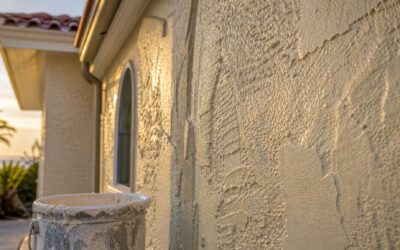
Exterior color is often the first signal a buyer receives from the curb or a listing photo. On the Gulf Coast, it also has a technical job. High UV exposure can fade certain pigments, moisture can contribute to mildew growth, and wind-driven rain tests the condition of every painted surface and caulked joint.
For most resale situations, a light-to-medium body color is a sound choice. Soft off-white, light sand, pale gray-beige, and muted coastal gray can complement many roof colors and landscaping styles. These shades reflect more heat than dark colors and tend to show fading less dramatically over time.
Trim should create definition without excessive contrast. Bright white trim is popular, but a softer white may better suit a warm exterior palette. Dark trim can look sharp on a modern home, yet it requires more maintenance and can make a smaller facade appear visually busy. Before selecting exterior colors, consider the roof, driveway, pavers, shutters, stonework, and any homeowners association requirements.
A dark charcoal or navy front door may add a controlled focal point, particularly on a light exterior. That said, the door should be in excellent condition. A bold entry color with peeling edges or faded panels hurts curb appeal more than a freshly finished neutral door.
Colors and Finishes to Avoid Before Listing
Some choices are not automatically wrong, but they create unnecessary risk when resale is the priority. Very dark interior walls can absorb light and make ordinary rooms feel smaller. Saturated reds, oranges, purples, and bright yellows are strongly personal choices that may distract buyers from the home itself.
High-gloss wall finishes are another common problem. They emphasize drywall imperfections, roller marks, patchwork, and reflected sunlight. For most walls, an eggshell or low-sheen finish offers a clean, washable appearance with fewer visible flaws. Flat finishes can look elegant on smooth walls, but they are less forgiving in high-traffic areas. Satin or semi-gloss is generally better reserved for trim, doors, and cabinets, where durability matters.
Do not paint over underlying issues simply to improve photos. Water stains, mildew, peeling coatings, cracked caulk, and damaged drywall need proper attention first. A quality repaint depends on surface preparation, including cleaning, repairs, sanding, priming where needed, and using coatings suited to the surface and Florida conditions.
Cabinet Color Can Change the Entire Kitchen
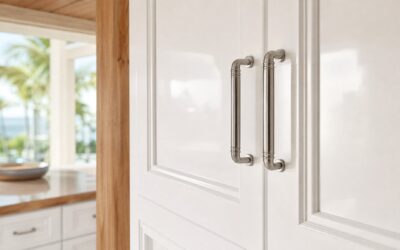
Cabinet painting is often a cost-effective alternative to full replacement when the cabinet boxes are in good condition. For resale, soft white, warm white, light greige, and carefully selected muted gray-green are generally more adaptable than dark espresso, honey oak, or heavily distressed finishes.
White cabinets can brighten a smaller kitchen, but they need to coordinate with the counters and backsplash. If the kitchen has warm granite and beige tile, a harsh blue-white may clash. If it has cool quartz and gray tile, a creamy ivory may look out of place. This is where a professional color consultation can prevent an expensive mismatch.
Cabinet work also requires more than a new color. Proper cleaning, degreasing, sanding, bonding primer, and durable cabinet-grade coatings determine whether the finish looks smooth and holds up during daily use. Buyers notice sticky doors, rough brush marks, and paint that chips around handles.
A Practical Color Plan Before You Put the Home on the Market
Start with the spaces buyers see first: the exterior front entry, main living areas, kitchen, primary bedroom, and primary bath. If the budget allows, continue into hallways, secondary bedrooms, and any room with visible wear or an unusually bold color. Consistency matters, particularly in open floor plans.
Next, evaluate colors at different times of day. Morning sun, afternoon glare, and indoor lighting can all change the appearance of a sample. Place sample boards near flooring, counters, cabinetry, and trim instead of judging color against an empty wall alone.
Finally, prioritize condition over trend. A well-prepared, freshly painted home in a classic neutral will usually serve resale better than a trendy color applied over damaged surfaces. Pro Painting & Associates helps homeowners make these decisions with clear recommendations, detailed preparation, premium materials, and a final walkthrough that confirms the finished work meets expectations.
The best resale color is the one that makes a buyer pause at the front door, look around the room, and focus on the home’s possibilities rather than the work they will need to do.