A freshly painted Florida home can start showing dark specks on shaded walls, soffits, trim, and pool-screen areas sooner than many homeowners expect. Mildew resistant exterior paint helps slow that growth, but it is only one part of protecting a home from Southwest Florida humidity, frequent rain, salt air, and strong sun.
For homes in Venice, Sarasota, Bradenton, North Port, Englewood, and nearby Gulf Coast communities, the right coating system begins with the right diagnosis. Mildew can return quickly when paint is applied over contaminated surfaces, moisture is trapped behind the coating, or the wrong product is chosen for the material and exposure.
Why Mildew Is Such a Common Florida Exterior Problem
Mildew is a surface fungus that thrives where moisture, warmth, shade, and organic debris come together. Florida provides all four. Afternoon storms wet exterior walls, overnight humidity limits drying time, and landscaping can keep lower walls and shaded sides of a home damp for hours.
It often appears as black, gray, green, or brown spotting. Homeowners sometimes assume these marks mean paint failure, but that is not always the case. A sound paint film can still develop mildew on its surface, particularly on north-facing walls, covered lanais, eaves, stucco texture, vinyl siding, and areas near gutters or air-conditioning drainage.
Coastal properties face another layer of exposure. Salt residue, windblown sand, and moisture can collect on exterior surfaces. These contaminants do not automatically cause mildew, but they make regular cleaning and careful preparation even more important.
What Mildew Resistant Exterior Paint Actually Does
Mildew-resistant exterior paint typically contains additives that discourage fungal growth on the paint surface. Quality exterior acrylic coatings are formulated to handle changing temperatures, UV exposure, rain, and normal expansion and contraction while helping keep mildew from taking hold as easily.
That protection has limits. Paint cannot correct a leaking gutter, failed caulking, irrigation that repeatedly sprays a wall, poor drainage, or a roof issue that sends water into the siding. It also cannot permanently protect a dirty exterior. In Florida, even a premium coating needs periodic washing to remove pollen, salt film, dirt, and organic buildup that can feed surface growth.
The goal is not to promise that mildew will never appear. The practical goal is to use a coating that resists growth better, cleans more easily, and holds its color and finish under demanding exterior conditions.
Paint Quality Matters, but So Does the Sheen
Higher-quality exterior paint usually offers better binders, stronger adhesion, improved color retention, and more reliable mildew resistance than bargain products. This matters on stucco homes, fiber-cement siding, wood trim, and painted masonry that receive intense sun and repeated wet-dry cycles.
Sheen is also a consideration. Satin and low-luster finishes generally shed dirt and clean more easily than flatter finishes, making them a practical choice for many exterior surfaces. Flat paint can help disguise texture and patching on stucco, but it may hold dirt more visibly and can be less washable depending on the product. The best choice depends on the home’s surface, appearance goals, and exposure.
Preparation Is the Real Foundation of Mildew Control
Applying a mildew-resistant coating over an unwashed exterior can lock in the exact conditions that cause future problems. Proper surface preparation is what allows paint to bond correctly and perform as intended.
A professional exterior painting process should begin with an inspection of the siding, stucco, trim, caulking, gutters, fascia, and areas where mildew is concentrated. This helps identify whether the issue is limited to surface growth or connected to an ongoing moisture concern.
The exterior then needs appropriate cleaning. Pressure washing can be effective when it is performed at the correct pressure and with the right techniques for the material. Too much pressure can damage wood, force water behind siding, scar stucco, or loosen failing paint. Cleaning solutions may also be needed to remove mildew and other contaminants rather than simply blasting them with water.
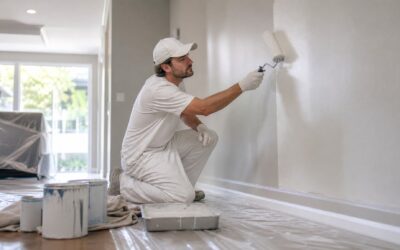
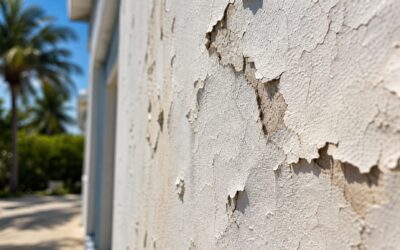
After cleaning, surfaces need enough time to dry. Peeling paint is scraped and sanded, damaged areas are repaired, gaps are caulked where appropriate, and bare or repaired surfaces are primed with a compatible product. These steps are not cosmetic extras. They support adhesion and help prevent water from reaching vulnerable areas behind the finish coat.
Choosing Paint for Stucco, Wood, and Siding
There is no single best exterior paint for every Florida home. The right product depends on the substrate and its condition.
Stucco and Masonry
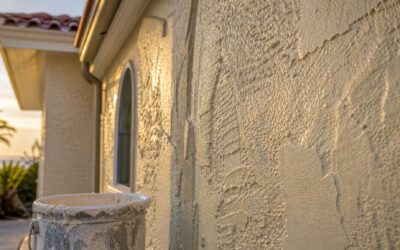
Stucco is common across Sarasota and Manatee Counties, and its textured surface can collect moisture and airborne debris. A premium acrylic exterior coating designed for masonry can provide breathability, flexibility, and a durable finish. Hairline cracks may require an elastomeric or masonry-specific approach, but not every stucco wall needs a heavy elastomeric coating. The condition of the stucco and the size of the cracks should guide that decision.
Wood Trim, Fascia, and Siding
Wood is especially vulnerable when moisture gets into unsealed end grain, joints, or peeling areas. Thorough scraping, sanding, spot priming, and caulking are critical before repainting. A mildew-resistant topcoat helps, but the protection starts with sealing exposed wood and correcting areas where water can enter.
Fiber-Cement and Vinyl Siding
Fiber-cement siding generally performs well with high-quality acrylic paint, provided the surface is clean and properly primed where needed. Vinyl siding requires coatings formulated to adhere to vinyl and should not be painted a significantly darker color unless the product is designed to manage heat buildup. Dark colors can create enough heat to warp some vinyl panels in Florida sun.
Common Reasons Mildew Returns After Painting
When mildew comes back soon after an exterior paint job, the problem is usually tied to conditions around the home rather than paint alone. Overgrown shrubs that block airflow, sprinklers hitting the walls, clogged gutters, and shaded areas with limited drying time are frequent contributors.
Poor preparation is another common cause. If mildew was not fully treated before painting, or if the surface was coated while damp, the finish may not perform well. In some cases, homeowners clean visible spots but miss buildup under eaves, around window trim, or behind landscaping where mildew continues spreading.
Color choice can affect maintenance, too. Very light colors may make dark mildew spots more noticeable, while very dark colors can show fading and heat stress sooner. A balanced color and finish selection can make a Florida home easier to maintain without sacrificing curb appeal.
How to Help Your Exterior Paint Last Longer
A painted exterior should be maintained, not forgotten until it begins peeling. Rinsing and gently washing the home on a regular schedule removes the residue that can encourage mildew. The exact timing depends on shade, nearby trees, coastal exposure, and landscaping, but many Gulf Coast homes benefit from an annual exterior cleaning.
Keep shrubs and trees trimmed back from walls so surfaces can dry after rain. Check that gutters, downspouts, and irrigation heads direct water away from the home. Look for cracked caulk, loose paint, soft wood, or dark streaks around windows and trim before they become larger repairs.
If you are planning to sell, repainting, cleaning, and correcting visible mildew can make a meaningful difference in first impressions. For seasonal residents and property investors, routine exterior care also helps prevent small moisture issues from becoming expensive surprises between visits.
When to Schedule Exterior Painting in Southwest Florida
Exterior painting can be completed during much of the year in Southwest Florida, but weather planning matters. A professional crew should watch humidity, rain forecasts, surface temperature, and drying windows rather than painting simply because the calendar says it is time.
The dry season often provides more predictable conditions, although schedules can fill quickly. Summer painting is possible when work is planned around storms and coatings are applied within manufacturer temperature and moisture requirements. What matters most is that the surface is clean, dry, properly prepared, and given adequate cure time.
For more than 15 years, Pro Painting & Associates has helped local homeowners choose exterior paint systems suited to Florida’s heat, moisture, and coastal conditions. A free, no-obligation estimate can clarify whether your home needs cleaning, repairs, targeted mildew treatment, or a complete exterior repaint before the next season puts the finish to the test.
A cleaner exterior and a longer-lasting paint job usually start with one careful look at what is causing the mildew. Address that cause first, then choose a coating built to handle the Florida climate.