A deck can look dry on the surface by midmorning and still hold enough moisture inside the boards to cause a stain failure. That is the reality of deck staining humid climate conditions along Florida’s Gulf Coast. Between high humidity, afternoon storms, intense sun, salt air near the water, and mildew growth, a deck needs more than a fresh color. It needs the right preparation, product, and weather window.
For homeowners in Venice, Sarasota, Bradenton, North Port, and surrounding communities, the goal is not simply to make exterior wood look better for a season. A properly stained deck should help protect the wood, shed water, resist mildew, and wear more evenly through Florida’s demanding weather.
Why Humidity Changes Deck Staining Results
Wood is porous. When humidity stays high, wood absorbs moisture from the air, even without direct rain. Applying stain to damp boards can prevent the coating from penetrating or adhering as intended. The result may be a blotchy finish, peeling, tackiness that lingers, or premature wear in high-traffic areas.
Humidity also slows drying and curing. A stain that would dry in a few hours under mild, dry conditions may need much longer during a humid Florida day. If rain arrives before the finish has cured, water can spot the surface, wash out pigment, or create an uneven sheen.
Heat adds another complication. Direct sun can make deck boards extremely hot, causing stain to flash-dry before it has time to soak in evenly. This is why a hot, sunny day is not always the best day for staining. Good results depend on more than checking whether rain is in the forecast.
Start With Moisture, Not the Calendar
Many deck problems begin when staining is scheduled based only on appearance or the time since the last coat. In a humid climate, the condition of the wood matters more.
Before staining, the deck should be clean, dry, and free of loose or failing finish. After rain or pressure washing, wood may need several dry days before it is ready. The exact drying time depends on the species of wood, board thickness, shade, air movement, and recent weather. Dense woods and shaded decks generally need more time than open, sun-exposed areas.
A professional moisture meter provides the most reliable answer. In general, exterior wood should be within the stain manufacturer’s recommended moisture range before application. This check is especially valuable after a rainy stretch or when a deck is close to landscaping, a pool, or the coast.
Do not rely only on a touch test. Dry-feeling boards can still contain moisture below the surface. Staining too early can trap that moisture and create an expensive do-over.
Preparation Is the Protection System
Premium stain matters, but it cannot compensate for poor preparation. Florida decks commonly collect mildew, pollen, sunscreen residue, food spills, old coating residue, and moisture-driven discoloration. Each can interfere with adhesion.
Clean Without Damaging the Wood
Pressure washing can be useful when performed carefully, but excessive pressure can gouge soft wood, raise the grain, and leave fuzzy fibers that affect the final finish. The goal is to remove contaminants and failed material without damaging sound boards.
A proper cleaning process may include a wood-safe cleaner to remove dirt and organic growth, followed by a brightener when needed to restore a more even wood tone. After cleaning, the deck must dry thoroughly before sanding or staining begins.
Address Repairs Before the Stain Goes On
Stain will not hide damaged boards, protruding fasteners, loose railings, or areas of rot. Any soft, cracked, or badly splintered boards should be evaluated and replaced before finishing. Fasteners should be reset or secured, and rough areas should be sanded smooth.
Sanding is particularly important when an old coating is peeling or when pressure washing has raised the wood grain. It creates a cleaner, more uniform surface and helps the stain absorb consistently. Dust must be removed completely before application.
Remove Failed Coatings When Necessary
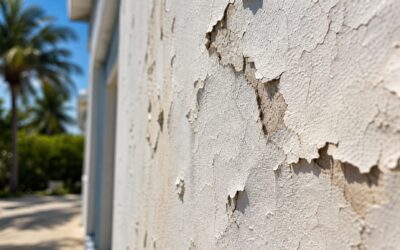
Not every deck needs to be stripped to bare wood. If an existing stain is sound, compatible, and only lightly worn, a maintenance coat may be possible after cleaning and preparation. But if the finish is peeling, flaking, or creating a thick film that traps moisture, applying another coat over it is rarely a durable solution.
The right approach depends on the existing product and the condition of the boards. A transparent penetrating stain, a semi-transparent stain, and a solid-color deck coating each age differently and require different preparation.
Choosing a Stain for Florida Decks
For deck staining in a humid climate, product selection should focus on moisture management, UV protection, and realistic maintenance expectations. There is no single best stain for every deck.
Transparent and semi-transparent penetrating stains preserve more of the natural wood grain. They are often a good choice for newer wood or homeowners who want a natural appearance. Because they penetrate rather than form a heavy surface film, they can be less prone to broad peeling. The trade-off is that they generally provide less UV protection and may need more frequent maintenance, especially on decks exposed to full afternoon sun.
Semi-solid stains offer more color coverage while still allowing some wood texture to show through. They can help create a more even appearance on older boards with varied coloring or minor cosmetic imperfections.
Solid-color stains provide the strongest color coverage and can deliver better UV protection for weathered decks. They may be a practical option when the wood has visible staining, mismatched repairs, or previous solid coatings. However, solid products need especially careful surface preparation. When moisture gets beneath a film-forming coating, peeling can become more likely.
Oil-based and water-based formulas can both perform well when matched to the deck and applied according to manufacturer instructions. Rather than choosing based on a label alone, consider the wood condition, existing coating, desired appearance, sun exposure, and maintenance plan.
Timing the Work Around Florida Weather
A dependable staining job is planned around a true dry window, not just a clear morning. In Southwest Florida, afternoon thunderstorms can develop quickly, and overnight humidity can slow curing even after a sunny day.
The best application conditions are typically dry weather, moderate temperatures, low wind, and enough time for the stain to dry before rain or heavy dew. The deck should not be stained during rainfall, immediately after rain, or when the boards are hot from direct sun. Starting early on a dry day can work well, but only if overnight dew has fully evaporated and the wood is dry.
Shade can be helpful during application because it reduces rapid drying. At the same time, shaded decks often remain damp longer and are more susceptible to mildew. This is one reason experienced planning matters. The right schedule for a covered, tree-shaded deck may be different from the right schedule for a wide-open pool deck.
Application Details That Prevent Premature Failure
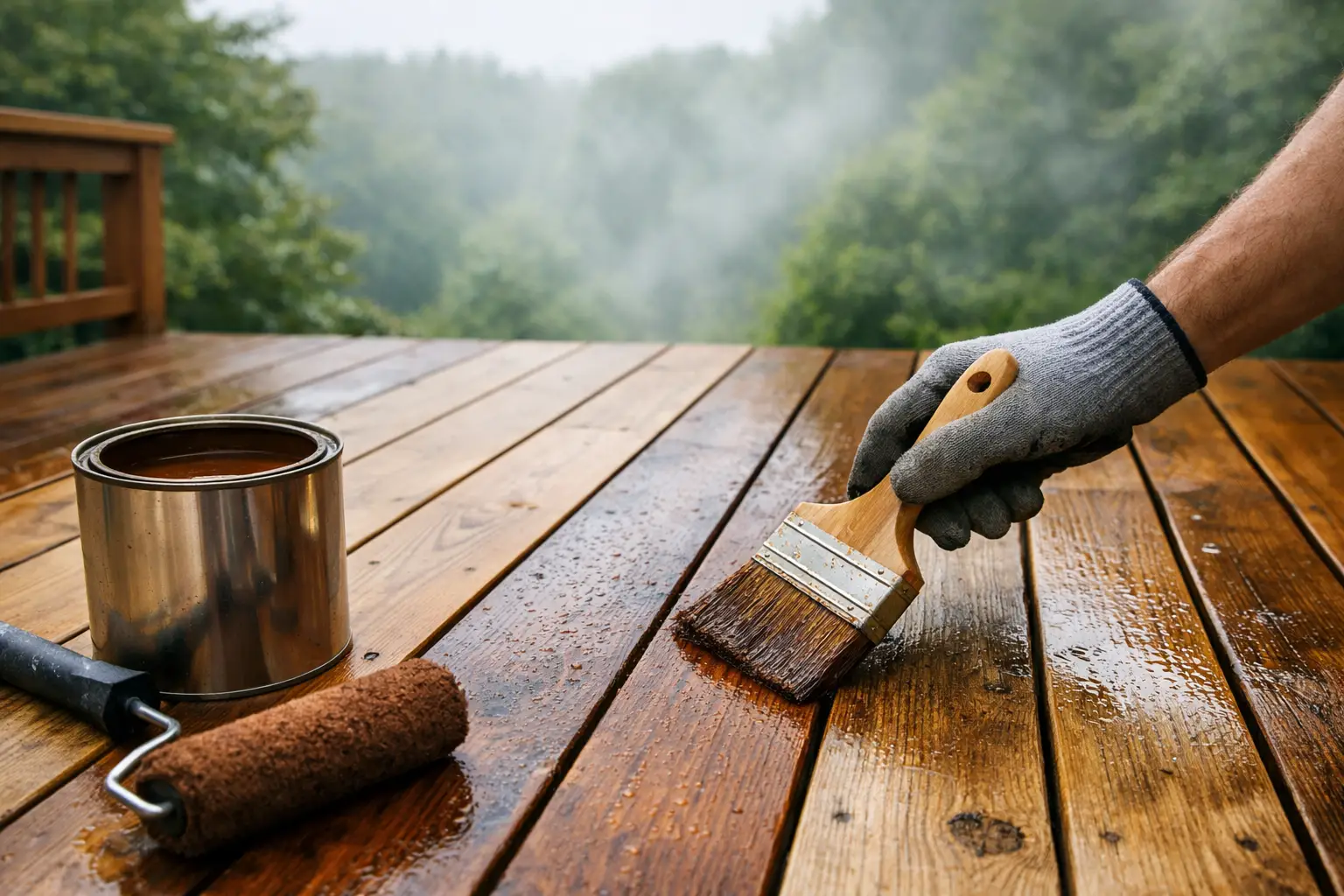
Even an excellent product can fail when applied too heavily. Overapplication is a common issue with penetrating stains. If the wood cannot absorb the excess material, the stain can remain sticky, dry unevenly, or form glossy patches that later wear inconsistently.
Coats should be applied evenly, with attention to maintaining a wet edge so lap marks do not develop. Excess stain should be back-brushed or wiped as recommended by the product manufacturer. Board-by-board application often produces a more natural, consistent finish than stopping in the middle of long boards.
Railings, steps, horizontal surfaces, and end grain may absorb stain differently. End grain is especially vulnerable to water intrusion and benefits from thorough coverage. High-traffic zones near doors, grills, and furniture should receive careful attention because they tend to wear first.
A stain also needs adequate cure time before furniture, rugs, planters, or heavy foot traffic return to the deck. Covering the surface too soon can trap moisture and leave marks in the finish.
Maintain the Deck Before It Looks Worn Out
A Florida deck rarely fails all at once. More often, its protection weakens gradually in exposed areas. Water may stop beading, mildew may return faster, and traffic paths may begin to look faded. These are early signals to clean and assess the finish, rather than waiting for broad peeling or wood discoloration.
Keep leaves, standing water, and planters from holding moisture against the boards. Move outdoor furniture occasionally so moisture and debris do not collect beneath it. Clean spills promptly, especially grease, sunscreen, and potting soil. A gentle seasonal wash can prevent mildew from becoming a larger preparation problem later.
Maintenance frequency depends on the stain type, deck exposure, and how heavily the space is used. Full-sun decks and areas near the coast may need attention sooner than covered or protected decks. A quick annual inspection is usually more cost-effective than waiting until the wood needs extensive restoration.
When Professional Deck Staining Makes Sense
Homeowners can handle small maintenance projects, but a professional evaluation is worthwhile when boards are peeling, mildew keeps returning, the deck has mixed old coatings, or weather timing is difficult. The preparation work often determines whether a new finish lasts.
With more than 15 years of local experience and 2,700-plus completed projects, Pro Painting & Associates helps Southwest Florida property owners assess wood condition, prepare surfaces correctly, and select coating systems suited to heat, humidity, UV exposure, and seasonal storms.
A well-maintained deck should feel like an easy place to enjoy a Gulf Coast morning or host family after sunset. Give the wood the dry time, preparation, and protection it needs now, and it will be far better prepared for the next stretch of Florida weather.