A fresh exterior paint job can look excellent on day one and still fail early if it is applied over a thin layer of chalky residue, mildew, salt, or road dust. That is why pressure washing before painting is usually one of the most important steps for homes and businesses along Florida’s Gulf Coast. Paint needs a clean, stable surface to bond correctly. In Venice, Sarasota, Bradenton, and nearby communities, the combination of humidity, intense UV exposure, rain, and coastal air makes that preparation non-negotiable.
At Pro Painting & Associates, surface preparation is treated as part of the paint system, not an optional add-on. Proper cleaning helps premium exterior coatings do the job homeowners expect: protect siding, stucco, trim, and other exterior materials while delivering a clean, lasting finish.
Why Pressure Washing Before Painting Matters
Exterior surfaces collect far more than visible dirt. Florida homes often develop mildew in shaded areas, especially near landscaping, gutters, soffits, and north-facing walls. Salt residue can settle on properties closer to the coast. Old paint may also oxidize, leaving a powdery film known as chalking.
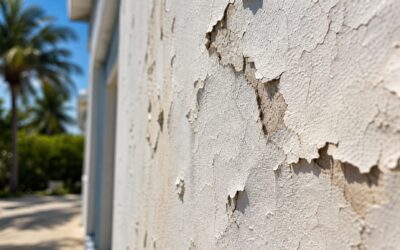
Painting over these contaminants creates a weak bond between the surface and the new coating. The paint may appear smooth at first, but moisture can work underneath it over time. That can lead to peeling, blistering, uneven sheen, and premature fading.
A careful wash removes loose debris and prepares the surface for the next steps, which may include scraping failed paint, repairing cracks, caulking gaps, priming bare areas, and applying the correct finish coat. Cleaning alone does not replace these tasks, but it gives the crew an accurate view of what the surface truly needs.
The Florida Difference: Humidity, Mildew, and Coastal Exposure
A home in Southwest Florida faces conditions that differ from those in drier climates. Afternoon rainstorms, high humidity, strong sun, and long cooling seasons all affect exterior materials. Mildew can return quickly if it is not properly treated, and moisture trapped behind paint can shorten the life of even a high-quality coating.
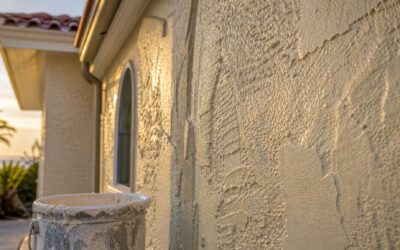
Pressure washing is especially useful before repainting stucco, concrete block, fiber-cement siding, painted wood, vinyl, fences, decks, pool cages, and exterior trim. The right cleaning approach depends on the material and its condition. A wall with light surface dust requires something different from a heavily mildewed stucco exterior or weathered wood deck.
Pressure Washing Is Not Always About High Pressure
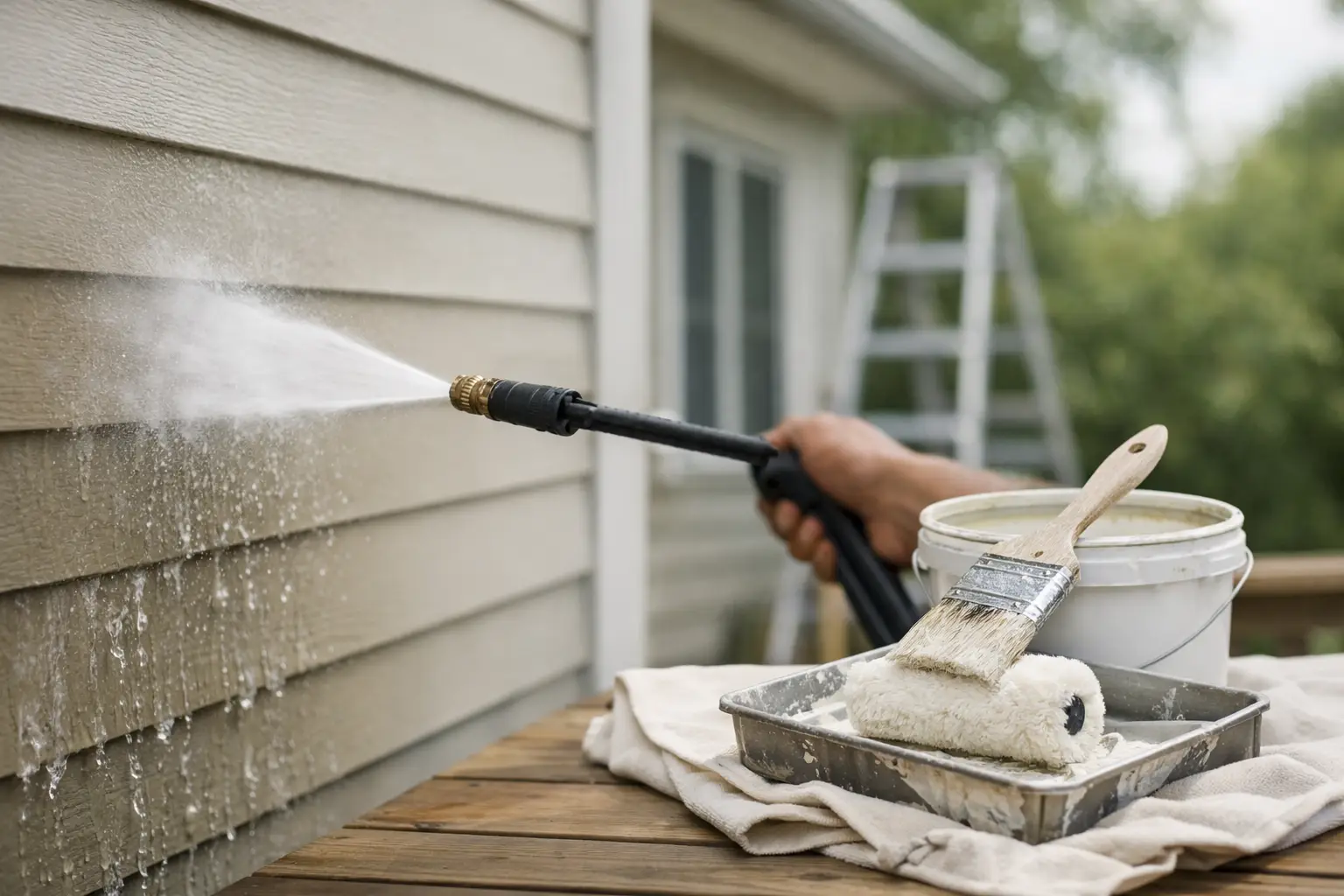
The phrase “pressure washing” can suggest blasting every surface with maximum force. That is not how professional preparation should work. Excessive pressure can gouge wood, drive water behind siding, damage window seals, strip sound paint, or etch softer masonry surfaces.
Experienced painters adjust the method to the property. Sometimes a lower-pressure wash combined with a suitable cleaning solution is the safer choice. This is often called soft washing. It can be effective for delicate trim, older wood, painted surfaces in good condition, and areas near windows, screens, or landscaping.
For heavier buildup on durable concrete, masonry, or certain stucco surfaces, more pressure may be appropriate. The goal is not to make the surface look aggressively stripped. The goal is to remove contaminants without creating damage that will require additional repairs.
What a Proper Exterior Cleaning Should Address
Before painting, a thorough cleaning process generally addresses four issues:
- Surface dirt, pollen, spider webs, and loose debris
- Mildew, algae, and other organic growth
- Chalking paint and loose coating particles
- Salt residue and airborne grime common in coastal areas
The crew should also protect surrounding features. Plants, outdoor furniture, light fixtures, outlets, windows, and pool equipment need attention before washing begins. A clean worksite and careful masking are signs that the preparation process is being handled with the same care as the final paint application.
How Long Should You Wait to Paint After Washing?
The answer depends on the material, weather, and amount of moisture the surface absorbed. In many cases, exterior surfaces need at least 24 to 48 hours to dry after washing. In Southwest Florida, humidity, shade, overnight dew, and a passing rainstorm can extend that timeline.
A responsible painting contractor does not paint simply because the calendar says it is time. The surface must be dry enough for the primer or paint manufacturer’s requirements. Moisture meters may be used on wood and other materials when needed. Painting too soon can trap moisture and create adhesion problems that are difficult to correct later.
This is one reason weather planning matters. A reliable team watches the forecast, schedules prep work thoughtfully, and communicates when conditions require an adjustment. A short delay is preferable to applying paint in conditions that compromise the result.
When Washing Is Not Enough
Pressure washing reveals problems, but it does not solve every problem. If the existing coating is peeling, cracked, brittle, or failing in layers, it may need to be scraped and sanded after cleaning. Bare wood may require a stain-blocking or exterior bonding primer. Hairline stucco cracks may need flexible patching or caulk before paint is applied.
Water stains, soft wood, damaged fascia, rust, and failed caulking should also be addressed before coating. These are not cosmetic details. They are common entry points for moisture, and they can undermine a new paint job from behind.
The best results come from a complete prep plan based on the condition of the property. For a well-maintained home, washing and minor touch-ups may be sufficient. For an older home with visible deterioration, preparation may take substantially more time. That investment protects the finish and reduces the chance of early repainting.
Should Homeowners Pressure Wash Before Calling a Painter?
Homeowners can certainly clean exterior areas themselves, but it is usually best to discuss the plan before starting. A DIY pressure washer can cause accidental damage, particularly around wood trim, stucco patches, screens, roof edges, and windows. It can also spread mildew residue if the surface is not treated correctly.
There is another practical issue: if washing is completed too far in advance, pollen, dust, and mildew can begin accumulating again before painting starts. Coordinating cleaning with the painting schedule keeps the surface in the best possible condition.
If you want to tackle light cleaning yourself, ask the painting contractor which areas to avoid and how close to the painting date the work should occur. For most full exterior projects, professional washing as part of the preparation process offers better consistency, safer material handling, and clearer accountability.
Signs Your Exterior Needs Cleaning Before Repainting
Walk around the home in daylight and look closely at shaded walls, trim beneath rooflines, patio areas, and locations near sprinklers. Black, green, or gray spotting often indicates mildew or algae. A white or colored powder that rubs off onto your hand is often chalking paint. Cobwebs, dirt streaks, and fading are also clues that the surface needs attention.
Do not assume a wall is ready because it looks clean from the street. Contaminants can be difficult to see, especially on light-colored stucco or faded paint. A close inspection helps determine whether cleaning, repairs, primer, or all three are needed before the first finish coat goes on.
A Better Start for a Longer-Lasting Finish
Exterior painting is not just a color decision. It is a protective maintenance project for one of your largest investments. Pressure washing before painting gives new coatings a clean foundation, helps expose hidden damage, and supports stronger adhesion in a climate that places real demands on every exterior surface.
If your home is showing mildew, chalking, peeling paint, or weather-related wear, schedule a free, no-obligation estimate with a local painting professional who can assess the surface, explain the preparation required, and recommend a coating system built for Southwest Florida conditions.